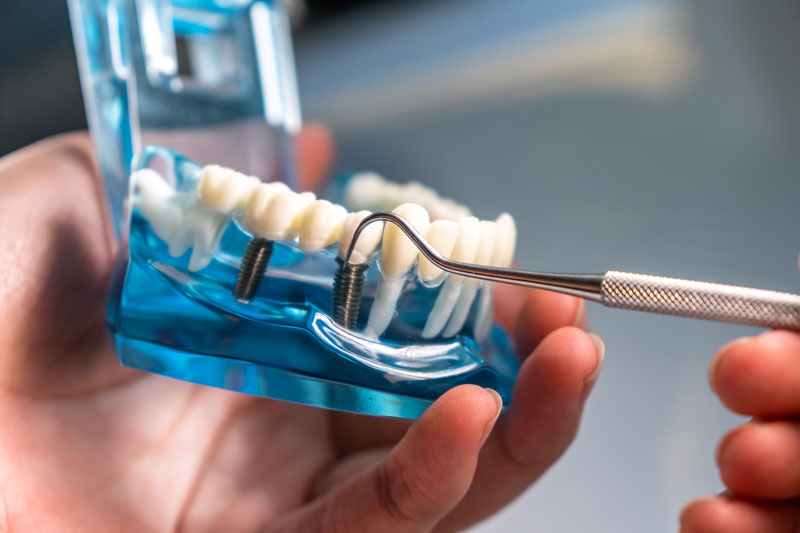



A dental implant procedure generally unfolds in four stages: a consultation with imaging, surgical placement of the implant post, a healing period while the post fuses with the jawbone, and finally the attachment of an abutment and custom crown. The entire process typically spans three to six months, most of which is healing time rather than time in the dental chair.
Dental implants in Charlotte, NC are artificial tooth roots, usually crafted from titanium, that replace missing or badly damaged teeth. They provide a firm foundation for a single replacement tooth, several teeth supported by a bridge, or an entire arch of teeth. Compared to removable dentures or tooth-supported bridges, dental implants offer a more natural-looking and typically longer-lasting solution because they replace the root, not just the visible tooth. If you are exploring your options, Charlotte Dental Arts can evaluate your candidacy for dental implants at a consultation.
The Dental Implant Procedure, Step by Step
Once the abutment is in place, attention turns to the crown, the visible, functional centerpiece of the process. Crafted to replicate the look and feel of a natural tooth, the crown must blend seamlessly with your existing teeth. Careful shade matching and shaping ensure that once it is affixed to the abutment, it is difficult to distinguish from the teeth around it.
Recovery and Aftercare
Following the aftercare instructions provided after surgery is essential to a successful outcome. A consistent oral hygiene routine and avoiding smoking both support healing and the long-term stability of the implant. Some soreness and swelling in the first few days after placement is normal and typically resolves with over-the-counter medication and rest. Once you have healed, our tips for caring for your dental implants long term explain the daily and professional care that keeps them stable.
Weighing the Benefits Against the Trade-Offs
Am I a Candidate for Dental Implants?
Good candidates for dental implants generally have healthy gums, adequate jawbone density (or are willing to complete bone grafting), and no uncontrolled conditions that would impair healing. The most reliable way to know is a consultation that includes a full evaluation of your dental implant candidacy.
What Dental Implants Cost in Charlotte
Because every case is different, dental implant cost in Charlotte depends on how many teeth are being replaced, whether bone grafting is needed, and which restoration option you choose. Our financial coordinator reviews your insurance benefits and financing options before any treatment begins.
If a Single Implant Is Not the Right Fit
Not every case calls for a single-tooth implant. Patients missing an entire arch of teeth may be better suited to All-on-4 dental implants or implant-supported dentures, and our comparison of implants, dentures, and bridges can help you weigh which restoration fits your situation. For a closer look at the parts of an implant and each restoration type, see our guide to complete tooth implants, and to compare implants with other ways of replacing teeth, read the perks of dental implants for complete teeth replacement. If an implant is one part of a larger cosmetic plan, our complete smile makeover process explains how treatment is sequenced.
Frequently Asked Questions About the Dental Implant Procedure
Is getting a dental implant painful?
The placement procedure itself is performed under local anesthesia or sedation, so patients generally do not feel pain during surgery. Mild soreness and swelling for a few days afterward is normal and is typically managed with over-the-counter medication and any aftercare instructions provided.
How long does the entire implant process take from start to finish?
Most cases take three to six months from implant placement to final crown, though the timeline varies based on healing speed, whether bone grafting is needed, and the location of the implant. Your treatment plan will outline an estimated timeline specific to your case.
What are dental implants made of?
A dental implant has three parts: a titanium post that acts as the artificial root, an abutment that connects the post to the visible restoration, and a custom crown, bridge, or denture that replaces the tooth or teeth you can see.
Can I eat normally while my implant heals?
Softer foods are recommended for the first several days after placement to protect the surgical site, after which most patients gradually return to their normal diet. Your dentist will provide specific guidance based on the location and number of implants placed.
What happens if I do not have enough jawbone for an implant?
A bone grafting procedure can rebuild jawbone volume in the area where an implant is planned. This adds healing time before the implant itself can be placed, but it allows many patients who would not otherwise qualify to still receive a dental implant.
Sources for this article include Cleveland Clinic’s overview of dental implants and osseointegration and the American Dental Association’s MouthHealthy guide to dental implants.
About the Author
Dr. Edwin Porter, DDS, DICOI, FAGD
Dr. Edwin Porter has been named a Top Dentist in Charlotte by Charlotte Magazine for over 20 years, as voted on by his peers, and brings more than 25 years of experience in cosmetic, restorative, and implant dentistry to Charlotte Dental Arts. He is a Diplomate in Implantology with the International Congress of Oral Implantologists (DICOI), a Fellow of the Academy of General Dentistry (FAGD), and Visiting Faculty at CEREC Doctors, and he completed an implant dentistry residency at Georgia Regents University. He plans, places, and restores dental implants in-house, guiding patients through every stage of treatment.