



A single missing tooth rarely stays a single problem for long. The gap changes how you chew; it can shift neighboring teeth out of alignment, and the jawbone beneath the empty socket begins to lose density without a root to stimulate it. Left alone, that one gap tends to grow into a bigger restorative case down the road.
At Charlotte Dental Arts, we treat single-tooth implants as one of the most predictable ways to stop that chain reaction before it starts. Dr. Edwin Porter has completed over 6,000 CEREC same-day restoration cases and holds a Diplomate designation from the International Congress of Oral Implantologists, training that shapes how precisely each implant is planned and placed.
What Is a Single-Tooth Implant?
A single-tooth implant replaces one missing tooth from the root up. A small titanium post is placed into the jawbone, where it fuses with the surrounding bone over several months in a process called osseointegration. Once that post has fully integrated, a custom crown is attached on top, matched to the shade, shape, and contour of the surrounding teeth.
Because the implant post takes over the job the natural tooth root used to do, it continues stimulating the jawbone the same way a healthy root would. This is one of the biggest differences between implants and older tooth replacement methods, and it is part of why we typically recommend implants first when a patient has healthy bone and gum tissue to support one.
Why Choose an Implant Over a Bridge?
A traditional bridge replaces a missing tooth by anchoring a false tooth to the healthy teeth on either side of the gap. That means grinding down two otherwise healthy teeth just to support a replacement for one. A single-tooth implant does not touch the neighboring teeth at all.
We often walk patients through this comparison when they are exploring options after tooth loss, since the two paths lead to very different long-term outcomes for the rest of the smile. If you are still weighing your options, our missing or failing teeth page breaks down bridges, dentures, and implants side by side.
What Does the Procedure Involve?
The process for a single-tooth implant typically unfolds in a few stages, spaced out to allow proper healing at each point:
- Consultation and imaging to evaluate bone density, gum health, and the exact position for the implant
- Implant placement, where the titanium post is set into the jawbone under local anesthesia or sedation
- A healing period of several months while osseointegration occurs
- Placement of the custom crown once the implant has fully integrated
Every case moves at its own pace, and some patients need a bone graft beforehand if the jawbone has already lost density. We walk through what to expect at each stage during your consultation so there are no surprises once treatment begins.
How Long Do Single-Tooth Implants Last?
Durability is one of the main reasons patients choose implants over other replacement options. A large-scale study published in the National Institutes of Health database found a clinical success rate of 97.83 percent among nearly 159,000 implants placed over an eight-year period, with most failures occurring early rather than years later. That kind of long-term data reflects what we see in our own practice: implants that are placed correctly and maintained with routine care tend to hold up for decades.
Maintenance is straightforward once healing is complete. Brushing, flossing around the implant site, and keeping up with regular checkups are typically all that is needed to protect the investment.

Am I a Candidate for a Single-Tooth Implant?
Most patients missing a single tooth are candidates for an implant, provided there is enough healthy bone to support the post and the surrounding gum tissue is free of active disease. Smokers and patients with uncontrolled diabetes may need additional planning before treatment, since both factors can affect healing.
If you are missing more than one tooth, or an entire arch, a single implant may not be the right fit. In those cases, we typically discuss options like implant-supported bridges or All-on-4 dental implants, which restore multiple teeth using fewer implant posts. Our restorative dentistry team also offers crowns, bridges, and other solutions if an implant ultimately is not the best match for your situation.
Meet Our Team
Dr. Edwin Porter brings exceptional dental expertise with specialized training in cosmetic procedures to the Waxhaw community. Serving the community as your cosmetic dentist near Waxhaw, NC, we offer comprehensive aesthetic solutions ranging from professional teeth whitening and cosmetic bonding to porcelain veneers and complete smile makeovers. Our cosmetic dentistry philosophy focuses on enhancing your natural beauty while addressing the specific concerns that have kept you from loving your smile.
With years of experience in aesthetic dentistry, Dr. Porter understands the dramatic impact a beautiful smile can have on your personal and professional life. We take a conservative, patient-centered approach to cosmetic treatments, always recommending the least invasive options that will achieve your desired results. Your satisfaction is our success, and we’re dedicated to delivering cosmetic dentistry that combines artistry, precision, and lasting quality.
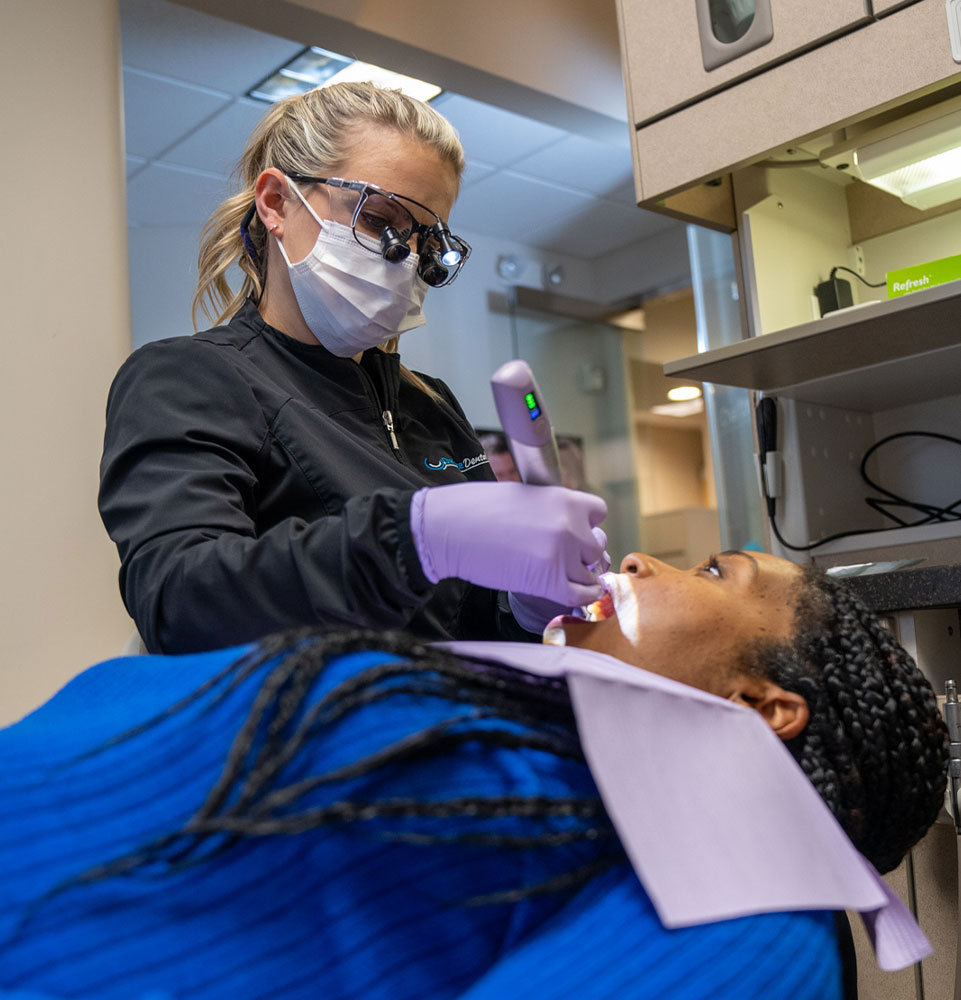
Affordable Single-Tooth Implants in Charlotte, NC
We understand that cost is often the first question patients have once they learn an implant is being recommended. To help make treatment accessible, we accept CareCredit, Cherry, and Proceed financing, and we offer our in-house Premier Dental Savings Program for patients without traditional dental insurance. We also welcome out-of-network patients and work with our financial coordinator to find a plan that fits your budget.
A single missing tooth does not have to turn into a bigger problem down the line. Reach out to Charlotte Dental Arts today to schedule a consultation and find out if a single-tooth implant is the right solution for restoring your smile.
Transform Your Smile Today!
I understand the information disclosed in this form may be subject to re-disclosure and may no longer be protected by HIPAA privacy regulations and the HITECH Act.