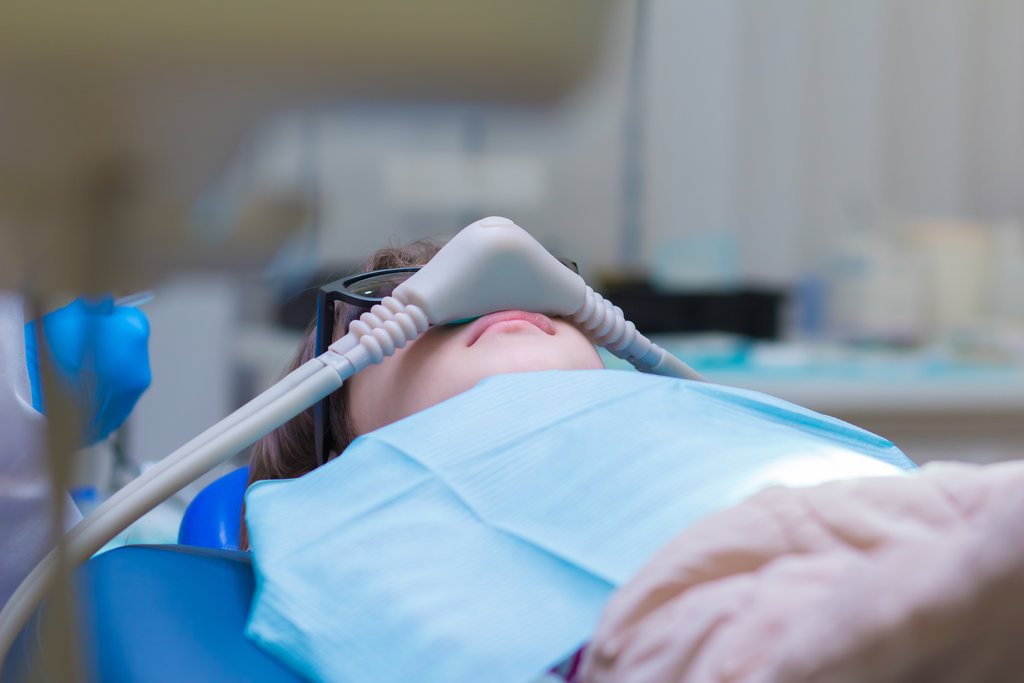



If you feel nervous about an upcoming dental procedure, sedation can help you stay calm, comfortable, and free of pain from the moment you settle into the chair. Depending on the treatment you need and your level of anxiety, your dentist may recommend a mild relaxant, an oral sedative, or intravenous (IV) sedation, each designed to keep you at ease while the work gets done. Knowing what happens before, during, and after a sedated appointment can help you feel more prepared and less anxious about the process itself.
At Charlotte Dental Arts, our team offers sedation dentistry for patients who feel anxious about dental visits or need a longer, more involved procedure completed in one sitting. Dr. Edwin Porter has completed advanced training in oral sedation and holds board certification in its safe administration, and he works with each patient to determine which sedation option best fits their health history and comfort needs.
How Dental Sedation Works
Sedation dentistry uses medication to help you relax during dental procedures. Your dentist will typically choose from three main options based on your anxiety level, medical history, and the length of your procedure. Nitrous oxide, sometimes called laughing gas, is inhaled through a small mask and produces a light, short-lived sense of calm that wears off within minutes of the mask coming off. Oral conscious sedation involves taking a prescribed pill before your appointment, which leaves you awake and responsive but deeply relaxed, and many patients remember very little of the visit afterward. IV sedation delivers medication directly into your bloodstream for a deeper, more controlled level of relaxation, and it is often reserved for longer or more complex procedures or for patients with significant dental anxiety.
Your dentist will review your medical history, current medications, and anxiety levels to determine the best sedation approach for you. This personalized assessment helps protect your safety and comfort throughout the entire procedure, and it allows the dental team to adjust dosing if your needs change on the day of treatment.
Preparing for Your Sedation Appointment
Preparation for sedation begins several days before your appointment. Your dental team will provide specific pre-treatment instructions, which typically include dietary restrictions and medication guidelines. Most patients must avoid eating or drinking for a set period before their appointment, particularly if receiving oral or IV sedation, since an empty stomach lowers the risk of nausea during the procedure.
You will need to arrange transportation to and from your appointment since sedation affects your ability to drive safely for the rest of the day. Plan to have a responsible adult stay with you for several hours after your procedure until the medication fully wears off. Family dentistry patients in particular benefit from coordinating a ride and a support person in advance, since children and older adults may need extra supervision as sedation wears off.
Pre-Sedation Medical Review
Your dentist will conduct a thorough medical review, discussing any health conditions, allergies, or medications that might affect sedation. This conversation helps protect your safety and helps determine the most appropriate sedation method for your situation. Patients with certain medical conditions may require additional precautions or an alternative sedation approach altogether.
What Happens During Your Sedation Appointment
Once sedation takes effect, you will feel remarkably relaxed and comfortable. Many patients report having little to no memory of the procedure itself, which can be particularly helpful for those with severe dental anxiety. Throughout your treatment, the dental team continuously monitors your vital signs and sedation level to help protect your safety and comfort.
The procedure itself proceeds normally, but your perception of time often changes under sedation. What might typically feel like a long appointment can pass quickly, and many patients are surprised when their dentist announces the procedure is complete. The dental implants or cosmetic dentistry work you need can often be completed while you remain in a comfortable, relaxed state. Monitoring equipment tracks your oxygen levels, heart rate, and blood pressure throughout the procedure, giving the team the information needed to respond quickly to any changes in your condition.
Recovery Timeline After Sedation Dentistry
Recovery from dental sedation depends largely on which type you received. According to Cleveland Clinic’s sedation dentistry overview, patients who receive nitrous oxide typically recover within 15 to 30 minutes and can drive themselves home once the gas has cleared their system, while patients who receive oral conscious sedation or IV sedation generally need a full 24 hours before they feel completely back to normal. During that window, you should avoid driving, signing important documents, or making major decisions, since the medication can continue to affect your judgment and reflexes even after you feel more alert.
Common post-sedation experiences include drowsiness, mild dizziness, and temporary memory gaps around the procedure time, and these effects are normal and expected. The same-day crowns and bridges or other treatments you received will feel normal once the sedation fully wears off, though you may experience typical post-procedure sensations related to your specific treatment.
Aftercare Instructions for a Smooth Recovery
Your dental team will send you home with detailed post-care instructions tailored to both your sedation and your specific procedure. Following these guidelines closely in the hours and days after your appointment supports proper healing and helps you avoid unnecessary discomfort.
- Rest for the remainder of the day. Avoid strenuous activity, exercise, or operating machinery until the sedation has fully worn off.
- Stick to soft foods and stay hydrated. Soup, yogurt, and smoothies are easier to manage while you are still feeling groggy, and water helps flush the medication from your system.
- Take medications exactly as directed. Follow any prescribed pain management or antibiotic instructions and avoid alcohol until your dentist confirms it is safe.
Most patients feel steadily more like themselves as the day goes on, and having a family member or friend check in periodically can offer extra peace of mind during those first several hours.
When to Contact Our Office After Sedation
Most patients recover from sedation without any complications, but a small number of symptoms warrant a call to our office. Reach out if you experience a fever, persistent or worsening nausea and vomiting, signs of an allergic reaction such as swelling or a rash, unusual pain that is not controlled by your prescribed medication, or drowsiness that lasts well beyond the expected recovery window for your sedation type. Difficulty breathing or chest pain after sedation should be treated as an emergency rather than something to monitor at home. Our team would rather hear from you and confirm that everything is progressing normally than have you wonder whether a symptom needs attention.
Safety, Candidacy, and Special Considerations
Modern sedation dentistry maintains an excellent safety record when administered by properly trained professionals. The American Dental Association emphasizes the importance of proper oral hygiene and regular dental care, noting that avoiding treatment due to anxiety can lead to more serious oral health problems over time.
Certain medical conditions or medications may affect your candidacy for sedation, which is why the pre-sedation medical review matters so much. Patients who are curious about the specific safety profile of IV sedation for adults and children or who want to understand how a board-certified sedation dentist approaches anxiety can find more detail in our related articles. Your dentist will carefully evaluate these factors and may consult with your physician if necessary, and open communication about your health history helps ensure the safest possible sedation experience.
How We Can Help at Charlotte Dental Arts
Choosing where to have a sedated procedure matters just as much as choosing sedation itself. Our team includes providers such as Dr. Robert A. Lowe, a Diplomate of the American Board of Aesthetic Dentistry who also holds an academic appointment at the Medical University of South Carolina, and their combined clinical background shapes how we plan and monitor every sedated procedure. From your first consultation through your post-procedure follow-up, we walk you through each step so nothing about the process feels unfamiliar on the day of your appointment.
For over 25 years, Charlotte Dental Arts has provided patients with comprehensive, comfortable dental care using current technologies and techniques. Dr. Edwin Porter’s advanced training in sedation dentistry, combined with our team’s commitment to patient comfort, is designed to help you receive quality care in a relaxed environment, whether you need routine preventive care or a more complex restorative treatment.
If dental anxiety or a lengthy procedure has kept you from getting care you need, sedation dentistry may help make your next visit far more manageable. Our team can answer your questions about which sedation option fits your situation and what to expect at every stage of your appointment. Please visit our contact page to schedule a consultation and take the next step toward comfortable, stress-free dental care.
Frequently Asked Questions About Sedation Dentistry Procedures
How long does sedation take to wear off after a dental procedure?
It depends on the type of sedation you receive. Nitrous oxide clears from your system within about 15 to 30 minutes, so you may feel back to normal shortly after your appointment ends. Oral conscious sedation and IV sedation take longer to fully wear off, and most patients need about 24 hours before their judgment, coordination, and alertness return completely to normal. Plan to rest for the remainder of the day regardless of which option you receive.
Can I drive myself home after sedation dentistry?
If you receive nitrous oxide only, you can usually drive yourself home once the gas has fully cleared your system, often within 15 to 30 minutes. If you receive oral conscious sedation or IV sedation, you should not drive for the rest of the day. You will need a responsible adult to bring you to your appointment, stay nearby during the procedure, and drive you home afterward, since these forms of sedation can affect your reflexes and decision-making for several hours.
What should I eat after a sedated dental appointment?
Stick to soft, easy-to-manage foods for the first day after your procedure, such as soup, yogurt, mashed vegetables, or a smoothie. Soft foods are gentler on your mouth if you had dental work done and are easier to eat safely while you may still feel groggy from sedation. Staying hydrated with water also helps your body process the sedative medication more comfortably. Avoid alcohol and heavy meals until you feel fully alert again.
Is IV sedation the same as general anesthesia?
No, they are different. With IV sedation, you typically remain able to breathe on your own and can often be roused if the dental team needs you to respond, even though you may remember very little of the procedure afterward. General anesthesia puts you into a state of complete unconsciousness and usually requires additional monitoring and equipment. Most routine and even many complex dental procedures can be completed comfortably with IV sedation rather than general anesthesia.
When should I contact the dentist after a sedation appointment?
Contact our office if you develop a fever, ongoing nausea or vomiting, signs of an allergic reaction like swelling or a rash, pain that your prescribed medication does not control, or drowsiness that lasts far longer than expected for the type of sedation you received. Difficulty breathing or chest pain should be treated as an emergency. These situations are uncommon, but reaching out lets our team confirm your recovery is on track.
About the Author
Charlotte Dental Arts
Dr. Robert A. Lowe is a Diplomate of the American Board of Aesthetic Dentistry who also serves as an Associate Professor at the Medical University of South Carolina. He earned his Doctor of Dental Surgery degree after graduating from the University of North Carolina at Chapel Hill, and Charlotte Magazine has recognized him as a Top Dentist in Charlotte for more than 20 years, as voted on by his peers.