

Some patients rehearse the drive to the dentist more than the appointment itself, mapping out exits, timing their breathing, and bracing for a chair they have avoided for years. A board-certified sedation dentist changes what that morning looks like, not by minimizing the fear, but by treating it as a clinical variable worth planning around from the first phone call.
At Charlotte Dental Arts, Dr. Edwin Porter has completed advanced training in oral sedation and is board-certified in its safe and effective administration, a distinction that shapes how the practice approaches anxious patients long before a needle or IV line ever enters the room. That certification means every sedation plan starts with a full medical history review and a conversation about what specifically makes your version of dental anxiety different from the next patient’s.
What Board Certification Actually Changes
Many general dentists offer nitrous oxide or a single oral sedative as an add-on service, learned in a weekend course and used the same way for nearly every patient. A board-certified sedation dentist works from a different baseline. The certification process requires documented case experience, ongoing monitoring competency, and a working knowledge of how sedative medications interact with a patient’s existing prescriptions, airway anatomy, and medical history.
That difference shows up in the consultation itself. Instead of defaulting to one sedation method, our team reviews your anxiety triggers, the complexity of the planned procedure, and any relevant health conditions before recommending nitrous oxide, oral conscious sedation, or IV sedation. Patients with a strong gag reflex, a history of traumatic dental visits, or several procedures that need to happen in a single appointment are frequently better candidates for the deeper relaxation IV sedation provides, while those with milder nervousness may only need the lightest option available.
Matching the Method to the Person
Dental fear is common enough that it shapes how an entire visit needs to be structured, not just whether sedation gets offered at all. A study published on PubMed Central examining patients undergoing oral surgery procedures found that a majority reported moderate to severe dental anxiety, which reinforces why a one-size response rarely works for the person sitting in the chair.
Because of that variation, we walk patients through what each sedation option actually feels like before they decide. Here is a brief look at how the options typically differ once a candidate is confirmed as medically appropriate:
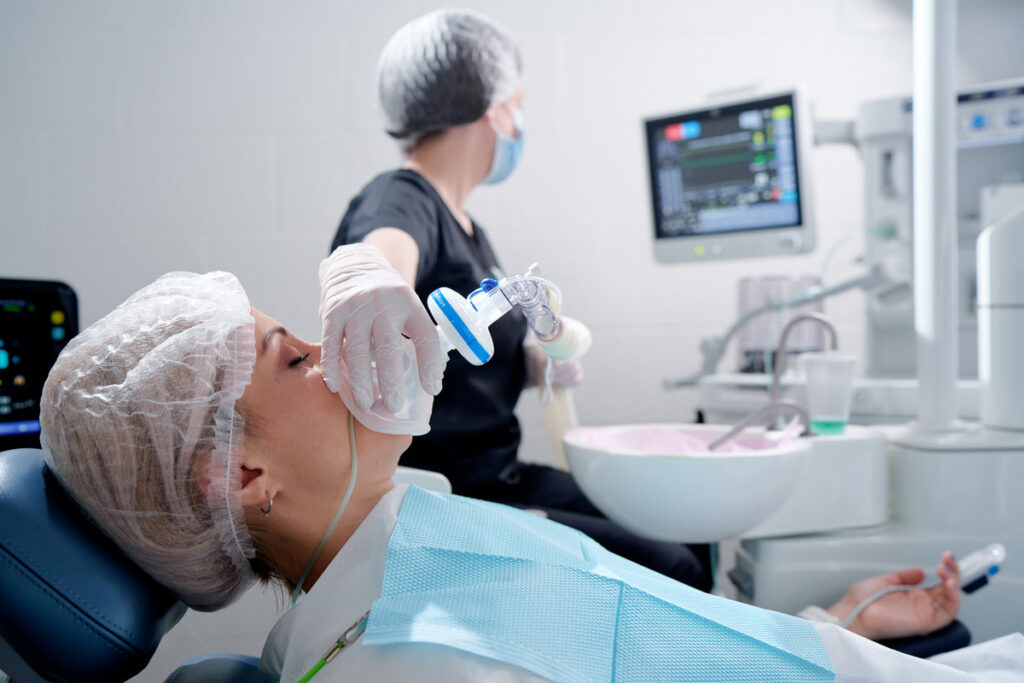
- Nitrous oxide: mild relaxation delivered through a nasal mask, wearing off within minutes after treatment ends.
- Oral conscious sedation: a prescribed medication taken before the appointment, producing a deeper calm while you remain responsive.
- IV sedation: medication delivered directly into the bloodstream, allowing continuous adjustment throughout longer or more involved procedures.
Choosing between these options is rarely about which one sounds strongest. It comes down to the length of the procedure, your health history, and how much awareness they want to retain during treatment, all of which get discussed openly during the consultation rather than assumed in advance.
Why the Credential Matters for Complex Cases
Board certification carries the most weight when a treatment plan involves more than a single filling or cleaning. Patients pursuing comprehensive treatment under one roof often need several procedures completed across fewer visits, which raises the stakes for continuous vital sign monitoring and precise medication dosing throughout a longer appointment.
This is also where cost conversations tend to surface, as sedation and multi-step treatment plans are rarely simple line items on an insurance statement. Our team works with out-of-network patients regularly and can walk you through how financing options apply to sedation appointments before any treatment begins, so the financial picture is clear alongside the clinical one.
Charlotte Dental Arts Is Here to Help You Feel Safe and Comfortable
Dr. Edwin Porter brings this level of training to a practice built around more than 25 years of patient-focused care in Charlotte, alongside credentials including a Fellowship in the Academy of General Dentistry and a Diplomate designation from the International Congress of Oral Implantologists. That combination of surgical training and sedation expertise means anxious patients are not routed to a separate specialist for comfort measures. The same team that reviews your treatment plan is the one managing sedation from start to finish.
If dental anxiety has kept you from scheduling care you know you need, a board-certified sedation dentist may be the difference between postponing treatment again and finally getting it done comfortably. Reach out to us to schedule a consultation and discuss which sedation option fits your situation best.