

Dental anxiety affects a significant portion of the population. Research published by the Cleveland Clinic notes that people with dental anxiety, needle fear, a sensitive gag reflex, or difficulty sitting still for a procedure are all good candidates for sedation dentistry, which is available in three levels: nitrous oxide, oral conscious sedation, and IV sedation. For many patients, that avoidance leads to years of deferred treatment and worsening oral health. Sedation dentistry offers a practical solution, making it possible to receive the care you need in a calm, comfortable state.
At Charlotte Dental Arts, sedation dentistry in Charlotte, NC is administered by Dr. Edwin Porter, who has completed advanced training in sedation and holds board certification in oral sedation. Three levels of sedation are available in-house, allowing Dr. Porter to match the sedation approach to the patient’s level of anxiety and the complexity of the procedure being performed.
The Three Types of Sedation Dentistry at Charlotte Dental Arts
Each sedation option produces a different depth of relaxation and is suited to different patient needs. Understanding how each one works helps you make an informed decision during your consultation.
Nitrous Oxide (Laughing Gas)
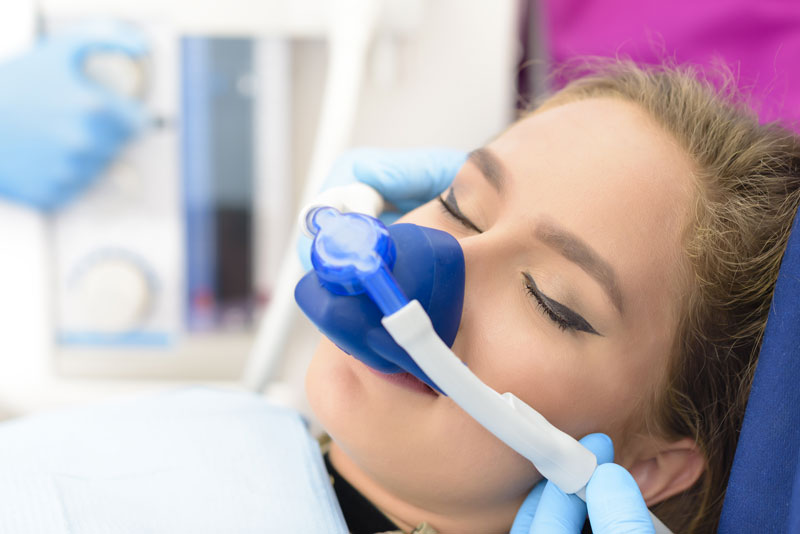
Nitrous oxide is the mildest form of sedation and the most commonly used in dentistry. It is delivered through a small nasal mask as a blend of nitrous oxide and oxygen. Within a few minutes, patients experience a calm, slightly euphoric feeling that reduces anxiety without making them drowsy or disoriented. Nitrous oxide has no lingering effects, since once the mask is removed, the gas clears the system quickly, and patients are typically able to drive themselves home after their appointment. It is well suited for mild to moderate anxiety and shorter procedures such as cavity fillings, cleanings, and minor restorative work.
Oral Sedation
Oral sedation involves taking a prescribed medication, typically a benzodiazepine, before the appointment. Patients take the pill approximately one hour before arriving at the office. By the time they sit in the dental chair, they are in a deeply relaxed state, though still conscious and able to respond to instructions. Many patients have little to no memory of the procedure afterward. Oral sedation is appropriate for moderate to significant anxiety and longer or more complex procedures. Because the medication remains in the system for several hours after the appointment, patients must arrange transportation to and from the office. Dr. Porter is board-certified in oral sedation administration, which places Charlotte Dental Arts in a category above most general dentistry practices in Charlotte.
IV Sedation
IV sedation delivers medication directly into the bloodstream through an intravenous line, producing a deep state of relaxation almost immediately. The dosage can be adjusted throughout the procedure, making it highly controllable. Patients are not fully unconscious but are in a twilight state, deeply relaxed, largely unaware of the procedure, and with minimal memory of the experience afterward. IV sedation is used for complex procedures such as All-on-4 dental implant surgery, full mouth reconstruction, and multiple extractions, as well as for patients with severe anxiety for whom oral sedation alone is insufficient. Recovery takes longer than the other options, and patients require a driver for the remainder of the day.
Who Benefits From Sedation Dentistry?
Sedation is not limited to patients with severe anxiety. Many patients choose sedation for practical reasons, whether that is completing multiple procedures in fewer appointments, managing a strong gag reflex, or simply making a lengthy procedure more tolerable. The following are the most common candidates:
- Dental anxiety or phobia: any level from mild nervousness to severe fear that causes avoidance of care
- Complex treatment: implant surgery, full mouth reconstruction, multiple extractions, or lengthy restorative work
- Sensitive gag reflex: patients who experience discomfort during impressions or procedures near the back of the mouth
- Limited time: patients who prefer to consolidate multiple procedures into one appointment
Sedation is evaluated individually based on your health history, the procedure being performed, and your personal comfort level. Dr. Porter reviews all medical history and current medications before recommending any sedation option.
Is Sedation Dentistry Safe?
Sedation dentistry has a strong safety record when administered by a properly trained provider who reviews your medical history in advance. Vital signs are monitored throughout deeper sedation options, and dosages are adjusted individually rather than applied as a one-size-fits-all approach. Mild side effects like grogginess, dry mouth, or a brief headache are possible with oral and IV sedation and typically resolve within a day. Patients are screened for conditions that could affect sedation safety before any medication is administered.
What to Expect on the Day of Your Sedation Appointment
Preparation depends on which sedation level you receive. For oral or IV sedation, you will need to arrange a ride home and typically avoid eating or drinking for a set period beforehand, which our team will review with you in advance. Nitrous oxide requires no special preparation and no driver, since its effects clear within minutes of removing the mask. Whichever option is used, your comfort and vital signs are monitored throughout the appointment.
Charlotte Dental Arts: Comfortable Care for Every Patient
Dr. Edwin Porter has earned the “Top Dentist in Charlotte” award for over 20 years. His board certification in oral sedation, combined with advanced training in IV sedation, means Charlotte Dental Arts patients have access to the full spectrum of sedation options in a private practice setting rather than a hospital or surgical center. Whether you need a routine procedure or a comprehensive implant case, your comfort is addressed before treatment begins.
If dental anxiety has kept you from getting the care you need, sedation dentistry can change that. Charlotte Dental Arts accepts most PPO insurance plans and offers financing through CareCredit, Cherry, and Proceed Finance. Schedule your consultation today and ask about which sedation option is right for your situation.
Frequently Asked Questions About Sedation Dentistry
Will I be unconscious during sedation dentistry?
With nitrous oxide, oral sedation, and IV sedation, you remain conscious and able to respond, even though you may feel deeply relaxed and remember little to nothing of the procedure afterward. Full unconsciousness under general anesthesia is a separate, much less common option typically reserved for hospital or surgical center settings rather than routine dental visits.
How do I know which type of sedation is right for me?
Your dentist will consider your level of anxiety, the complexity and length of the planned procedure, your health history, and your personal preference before recommending a sedation option. Many patients with mild nervousness do well with nitrous oxide, while more involved procedures or higher anxiety levels often call for oral or IV sedation.
Do I need someone to drive me home after sedation?
A driver is required for oral sedation and IV sedation, since both leave lingering effects that make driving unsafe for several hours. Nitrous oxide is the exception, as its effects clear within minutes of removing the mask, allowing most patients to drive themselves home immediately afterward.
Is sedation dentistry safe for children?
Nitrous oxide is commonly used for children who feel anxious about dental visits and has a strong safety record when properly monitored. Other sedation levels are used more selectively in pediatric patients and depend on the child’s age, health history, and the procedure being performed, which your dentist will evaluate individually.
Does insurance cover sedation dentistry?
Coverage varies by plan and often depends on whether sedation is considered medically necessary for the procedure being performed. Our team can review your specific PPO benefits ahead of treatment, and financing options are available to help cover any portion that is not covered by insurance.