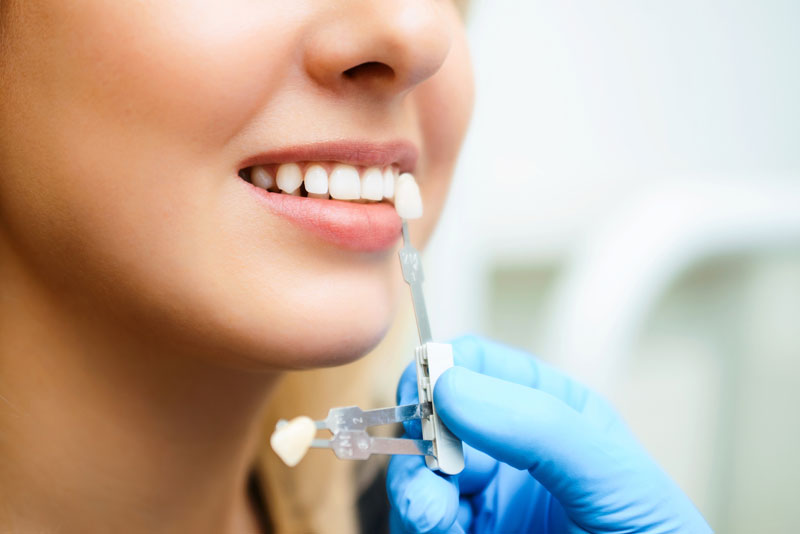



You are typically a good candidate for teeth whitening if you have healthy, unrestored teeth and gums with yellow or surface staining rather than deep, gray, or restoration-related discoloration, since whitening works by bleaching the natural enamel and cannot lighten crowns, veneers, or fillings. A quick exam confirms whether your teeth and gums are healthy enough to whiten safely and how much improvement you can realistically expect.
At Charlotte Dental Arts, whitening candidacy is assessed as part of a broader cosmetic evaluation, since discoloration is sometimes only one part of what a patient wants to improve about their smile. Below, we cover what makes someone a strong candidate, who should hold off or choose a different option, and what to expect from treatment.
What Makes You a Good Candidate for Teeth Whitening?
Strong candidates for teeth whitening generally have yellow or surface-stained teeth caused by diet, coffee, tea, red wine, smoking, or simply the natural aging process. Healthy, unrestored teeth and gums matter just as much as the type of staining, since active decay, gum disease, or extensive restorations need to be resolved before a whitening procedure is appropriate. Patients whose teeth have thinner enamel or naturally yellow-toned dentin tend to see less dramatic results than those with thicker enamel and surface-level staining, though most patients see meaningful improvement either way.
Who Should Avoid or Delay Teeth Whitening?
Whitening is not recommended for everyone. Patients with untreated cavities or active gum disease should have those issues treated first, since the bleaching agent can increase sensitivity and irritation in already compromised areas. Patients who are pregnant or nursing are generally advised to wait, and whitening is not typically recommended for children or younger teens. Anyone with a known sensitivity to peroxide-based bleaching agents, or with significant existing tooth sensitivity, should discuss safer alternatives with their dentist before proceeding.
What About Teeth With Crowns, Veneers, or Fillings?
Whitening only affects natural tooth enamel, so existing restorations like crowns, veneers, and fillings will not lighten along with the rest of your teeth. If you have visible restorations in the front of your mouth, whitening first and then matching new restorations to your brighter shade afterward typically produces the most even result. Patients primarily concerned with restoration mismatch are often better candidates for porcelain veneers, which can address discoloration and shape at the same time.
In-Office vs. At-Home Whitening
In-office whitening uses a stronger, professionally applied bleaching gel and typically produces visible results in a single visit. At-home whitening uses a custom-fitted tray and a lower-concentration gel worn over a series of days, offering a more gradual result with less chair time. Both approaches are supervised by your dentist to protect your gums and monitor sensitivity, and either can be combined with future touch-up treatments to maintain results over time.
Maintaining Your Results
Whitened teeth are not permanently resistant to staining, so daily habits make a real difference in how long results last. Avoiding staining foods and drinks, brushing and rinsing promptly after meals, sipping dark beverages through a straw, and keeping up with regular cleanings all help preserve a brighter smile. Many patients also schedule periodic touch-up treatments to maintain their results.
Whitening is one of several ways we approach cosmetic dentistry at our practice, and cost is generally affordable compared to more involved cosmetic procedures.
Ready to Find Out If You’re a Candidate?
A short exam is all it takes to determine whether whitening is the right next step for your smile, or whether another option would serve you better. Get in contact with our doctors, Dr. Edwin Porter, DDS, FAGD, and our team at our office in Charlotte, NC to schedule your consultation today.
Frequently Asked Questions About Teeth Whitening Candidacy
Will whitening work on my crowns or veneers too?
No. Whitening only lightens natural tooth enamel and has no effect on crowns, veneers, bonding, or fillings. If you have visible restorations and want a uniform shade, it is generally best to whiten your natural teeth first and then have any new restorations matched to that brighter shade afterward.
Is teeth whitening safe for sensitive teeth?
Patients with sensitive teeth can sometimes still whiten safely, but it typically requires a lower-concentration gel, shorter treatment sessions, or desensitizing products used before and after treatment. Your dentist can recommend a modified approach or suggest an alternative if sensitivity is a significant concern.
How white will my teeth get?
Results vary based on your starting shade and the type of staining involved. Surface-level yellow staining typically responds well and can lighten several shades, while deeper gray or internal discoloration may show more modest improvement. Your dentist can give you a realistic expectation based on an exam of your teeth.
How long do teeth whitening results last?
Results commonly last anywhere from several months to a couple of years depending on your diet, oral hygiene, and habits like smoking or drinking coffee and red wine. Many patients maintain their results with periodic touch-up treatments rather than a single one-time procedure.
Can I whiten my teeth if I have cavities?
Active cavities should be treated before whitening, since the bleaching gel can increase sensitivity in a decayed or exposed area of the tooth. Once cavities are addressed and your teeth and gums are healthy, whitening can typically proceed without issue.