


TMJ treatment options range from simple lifestyle changes and custom mouth guards to physical therapy, medication, and, in more severe cases, surgical procedures, with treatment chosen based on how severe your symptoms are and what is causing them. Most people find relief through conservative, non-surgical approaches long before surgery is ever considered.
A dentist at Charlotte Dental Arts can evaluate your jaw, identify likely contributing factors, and recommend a treatment plan suited to your specific symptoms. Below, we cover what the TMJ actually is, what commonly causes disorders in this joint, and the full range of treatment options available today.
What Is the Temporomandibular (TMJ) Joint?
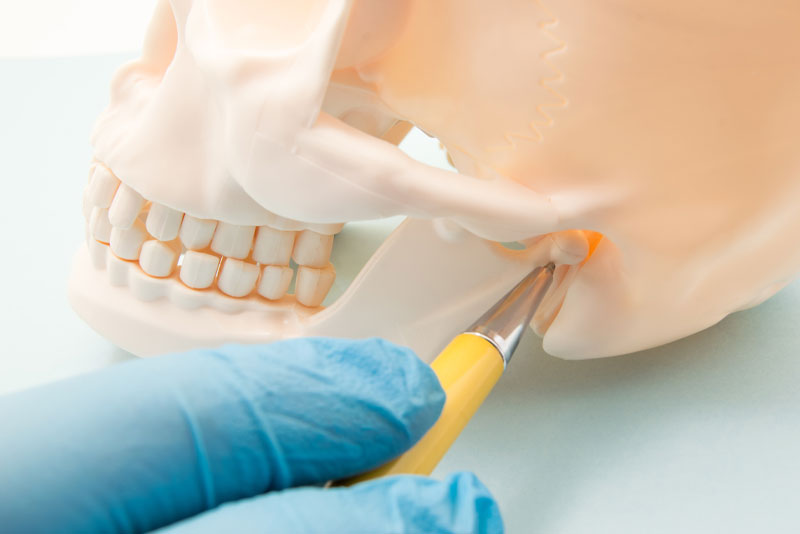
The temporomandibular joint connects your jawbone to your skull, one on each side of your face, just in front of your ears. It allows your jaw to open, close, and move side to side, giving you the range of motion needed to speak, chew, and yawn. Because it combines a hinge motion with a sliding motion, it is more complex than many other joints in the body, which is part of why TMJ disorders can produce such a wide range of symptoms.
What Causes TMJ Disorders?
The exact cause of a TMJ disorder is not always clear, but several factors are commonly involved. Jaw injury, arthritis in the joint, and chronic teeth grinding or clenching (bruxism) are frequent contributors. Habits like chewing gum constantly, biting nails, or resting your chin on your hand can also add strain to the joint over time. TMJ disorders are most common in adults between the ages of 20 and 40 and occur more often in women than in men.
Recognizing the Symptoms
Beyond jaw pain, TMJ disorders can cause a surprisingly wide range of symptoms, including clicking or popping sounds when opening the mouth, jaw stiffness or locking, headaches, ear pain or ringing, and even neck and shoulder discomfort. Because these symptoms overlap with other conditions, a proper evaluation from a dentist familiar with TMJ disorders is important before starting treatment.
Non-Surgical TMJ Treatment Options
Most patients respond well to conservative treatment, and this is almost always where treatment begins.
Lifestyle and Self-Care Changes
Simple adjustments often make a meaningful difference. This includes eating softer foods for a period of time, avoiding wide yawning or excessive gum chewing, applying heat or ice to the jaw, and practicing techniques to reduce clenching and grinding during the day.
Oral Appliances and Splints
A custom-fitted night guard or splint repositions the jaw and reduces the pressure placed on the joint from clenching or grinding while you sleep. These devices are one of the most commonly prescribed TMJ treatments because they directly address a leading contributing factor.
Medication and Physical Therapy
Over-the-counter or prescription anti-inflammatory medication can reduce pain and swelling during a flare-up. Physical therapy exercises that stretch and strengthen the jaw muscles, sometimes combined with ultrasound or gentle electrical stimulation, are also frequently recommended to restore normal jaw movement.
When TMJ Requires More Advanced Treatment
When conservative treatment does not provide enough relief, additional options exist. Arthrocentesis is a minimally invasive procedure that flushes the joint space to remove inflammatory debris. In more involved cases, arthroscopy allows a specialist to examine and treat the joint through small incisions. Open-joint surgery is reserved for cases where a structural problem in the joint itself is clearly causing the pain and more conservative measures have not worked. According to the Cleveland Clinic, most people who receive appropriate treatment for TMJ disorders see meaningful improvement, and the condition rarely causes lasting problems when addressed early.
Am I a Candidate for TMJ Treatment?
If you are experiencing regular jaw pain, popping, stiffness, or headaches that do not resolve on their own, you are a good candidate for an evaluation. A dentist will examine your jaw’s range of motion, check for tenderness, and ask about grinding or clenching habits before recommending a treatment plan. Patients who grind their teeth at night, as evidenced by a cracked or worn tooth, are frequently found to have an underlying TMJ component contributing to the damage.
TMJ symptoms are also something we watch for during routine dental exams and cleanings, since early signs like uneven wear patterns often show up before pain becomes severe. Treatment cost varies depending on which approach is recommended, and our team can review insurance and financing options with you at your consultation.
Getting Started With TMJ Treatment
There is no single treatment that works for every patient, which is why an individual evaluation matters. Most patients begin with a night guard, lifestyle adjustments, or both, and only move toward more involved treatment if symptoms persist. If jaw pain, clicking, or headaches have been affecting your daily life, schedule a consultation so we can determine what is causing your symptoms and build a plan to relieve them.
Frequently Asked Questions About TMJ Treatment
Can TMJ disorder go away on its own?
In many cases, mild TMJ symptoms can improve on their own or with simple self-care like avoiding hard foods and reducing jaw strain. However, symptoms that persist for more than a few weeks, or that are getting worse, generally benefit from a professional evaluation so the underlying cause can be identified and addressed before it becomes chronic.
Does a night guard actually help with TMJ pain?
A custom-fitted night guard can reduce the pressure placed on the jaw joint from nighttime clenching and grinding, which is a common contributing factor to TMJ pain. Many patients notice reduced morning jaw soreness and headaches within a few weeks of consistent use, although a night guard addresses symptoms related to grinding specifically rather than every possible cause of TMJ disorder.
Is TMJ surgery usually necessary?
No, surgery is considered a last resort and is only recommended after conservative treatments such as splints, medication, and physical therapy have been tried without enough improvement. The large majority of TMJ patients find relief through non-surgical treatment and never need a surgical procedure.
Can stress make TMJ symptoms worse?
Yes. Stress often leads to increased jaw clenching and teeth grinding, both during the day and at night, which places additional strain on the temporomandibular joint. Stress-reduction techniques and awareness of clenching habits are frequently included as part of a broader TMJ treatment plan.
How is a TMJ disorder diagnosed?
Diagnosis typically starts with a physical exam that checks your jaw’s range of motion, listens for clicking or popping, and feels for areas of tenderness. Your dentist will also ask about your symptoms, habits like grinding or clenching, and medical history. In some cases, dental X-rays or other imaging may be used to get a clearer look at the joint.