


Medically Reviewed by Dr. Edwin Porter, DDS, DICOI, FAGD on August 17, 2026
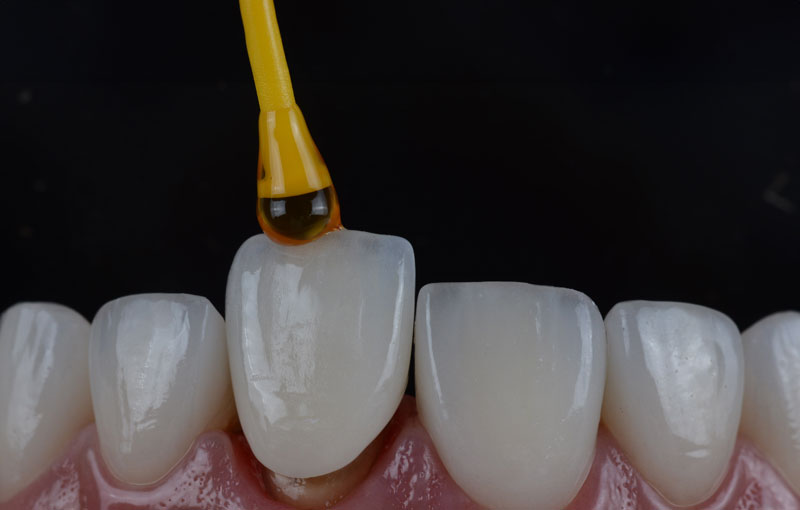
A dental crown, often called a cap, is a tooth-shaped restoration cemented over a damaged, decayed, or weakened tooth to restore its shape, strength, and function. Dental health in Charlotte, NC is not just about a dazzling smile; it plays a direct role in speaking, eating comfortably, and protecting the natural teeth that remain.
The primary function of a dental crown is protecting a tooth that decay, breakage, or extensive fillings have weakened. Crowns provide a sturdy outer layer that shields against further damage while restoring the tooth’s natural shape.
When Is a Crown the Right Solution?
Not every damaged tooth needs a crown. Smaller areas of decay or minor fractures can often be treated with a filling, and a crown becomes the appropriate step once the remaining tooth structure is too compromised for a filling to hold reliably over time. Teeth that have undergone root canal treatment also frequently need a crown, since the procedure leaves them more prone to fracturing under normal biting force.
According to the American Dental Association’s patient resource on dental crowns, the most common reasons for a crown include protecting a weak tooth from breaking, restoring a tooth that is already broken, and covering a tooth after a root canal. An evaluation of the tooth is the only reliable way to know which category your situation falls into.
The Step-by-Step Process of Getting a Cap On
Putting a cap on a tooth is a straightforward process once you understand the steps involved. It begins with a consultation where the tooth is examined and a crown is confirmed as the right restoration. The preparation phase follows: the tooth is reshaped to accommodate the crown, and an impression or digital scan is taken to guide how the permanent crown is made.
For a conventionally made crown, that mold is sent to a lab, and a temporary crown protects your tooth while the permanent one is fabricated. Once the permanent crown is ready, it is cemented onto the prepared tooth at a follow-up visit. Same-day CEREC crowns skip that wait entirely; the crown is designed and milled in-office and placed in a single appointment, which is worth asking about if a second visit and a temporary crown do not fit your schedule.
Types of Crown Materials
The material used affects a crown’s durability, appearance, and cost. Zirconia crowns are the most durable option and hold up well under the heavier bite forces that back molars experience. Full-porcelain crowns prioritize a natural aesthetic match, making them a common choice for front teeth where appearance matters most. Porcelain-fused-to-metal crowns combine a metal substructure with a porcelain outer layer, offering a durable option for a range of positions in the mouth.
Choosing between materials comes down to where the tooth sits and what matters most for that specific tooth: raw strength for molars, or the closest visual match for front teeth. A direct recommendation at your evaluation accounts for both factors.
Caring for Your New Crown
Post-procedure care is essential to the longevity of a new crown. Regular brushing, flossing, and professional cleanings remain just as important as they were before the crown was placed. Crowns are durable but not indestructible, so avoiding habits like chewing ice or biting down on very hard foods helps prevent chips or cracks. If any discomfort or looseness develops after a crown is placed, contacting your dentist promptly prevents a small issue from becoming a bigger one.
How Long Do Dental Crowns Last
A well-placed crown maintained with consistent oral hygiene and regular checkups typically lasts 10 to 15 years, and many last considerably longer. The biggest factor in how long a crown holds up is the health of the gum tissue around it; a crown seated on a stable, healthy foundation tends to perform the way it was designed to over the long term.
Getting a Cap On Your Tooth in Charlotte, NC
We prioritize your comfort and deliver quality restorations using advanced technology and updated techniques, working to provide crowns that look natural and feel comfortable while holding up over time. Addressing a damaged tooth early, before it requires more extensive treatment, is one of the simplest ways to protect your long-term oral health.
Don’t hesitate to reach out to our doctor, Dr. Edwin Porter, DDS, FAGD, if you have concerns about a damaged tooth or any other dental issue. Contact us and schedule your consultation today, and take control of your dental health with help at our office by Charlotte, NC.
Frequently Asked Questions About Dental Crowns
Does getting a crown put on hurt?
The tooth is numbed with local anesthetic before any reshaping begins, so the preparation itself is generally comfortable. Some mild sensitivity around the gumline is common for a few days afterward, particularly with a temporary crown in place, and typically resolves on its own once the permanent crown is seated.
How long does it take to get a crown put on a tooth?
A conventionally made crown typically requires two appointments: one for preparation and impressions, and a second a week or two later to place the permanent crown. Same-day CEREC crowns condense that into a single two-to-three-hour visit, since the crown is designed and milled in-office.
What is the difference between a crown and a cap?
There is no clinical difference. “Cap” is simply the common, everyday term patients use, while “crown” is the term used in dental practice. Both refer to the same tooth-shaped restoration cemented over a damaged or weakened tooth.
Can a temporary crown fall off before my next appointment?
It is uncommon but can happen, especially with sticky or hard foods. If a temporary crown comes loose or falls off, contacting the office promptly allows it to be recemented and protects the prepared tooth underneath until the permanent crown is ready.
Will my crown match the color of my other teeth?
Crown materials such as porcelain and zirconia can be custom-shaded to blend with the surrounding teeth, and full-porcelain crowns in particular are chosen for front teeth specifically because of how closely they match natural tooth color. Shade matching is part of the planning process before the crown is fabricated.
About the Author
Dr. Edwin Porter, DDS, DICOI, FAGD
Dr. Edwin Porter is the founder of Charlotte Dental Arts and has been recognized as a Top Dentist by Charlotte Magazine for more than 20 consecutive years. A Diplomate of the International Congress of Oral Implantologists (DICOI) and Fellow of the Academy of General Dentistry (FAGD), Dr. Porter has completed thousands of restorative procedures using CEREC same-day crown technology. He trained at Georgia Regents University and brings that clinical foundation to every patient at Charlotte Dental Arts.