


Medically Reviewed by Dr. Edwin Porter, DDS, DICOI, FAGD on August 10, 2026
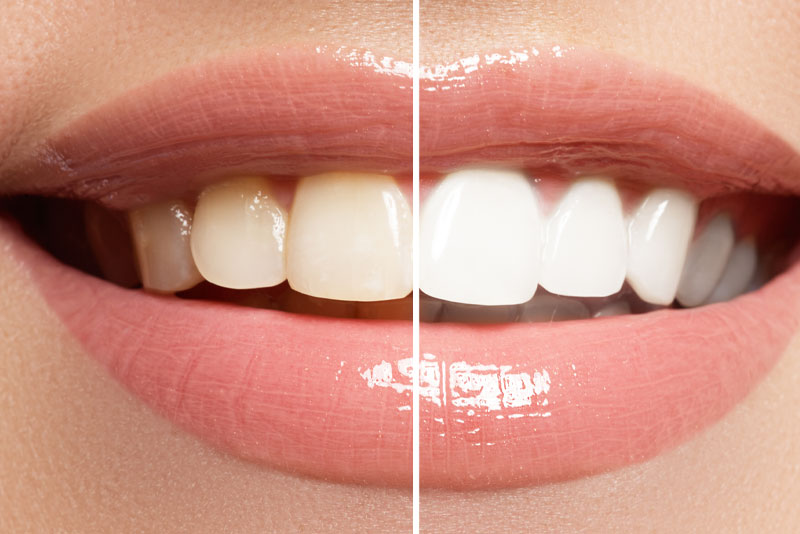
Professional teeth whitening can brighten your smile several shades in a single visit, using a stronger, dentist-supervised bleaching gel than anything available over the counter. If store shelf strips and rinses have left you disappointed, the difference in results comes down to the concentration of whitening agent and how it is applied.
Discolored teeth do not have to be something you just live with. A cosmetic dentist in Charlotte, NC can evaluate what is causing your discoloration and recommend the whitening approach that fits it best, since not all stains respond the same way to the same treatment.
Why Over-the-Counter Products Fall Short
Drugstore whitening strips, gels, and toothpastes contain only a small amount of peroxide, the active ingredient that actually lifts stains from tooth enamel. Manufacturers keep the concentration low so the products are safe for unsupervised, at-home use without a dentist checking your enamel and gum health first. That lower concentration is also why results are typically modest and slow to appear.
Overusing these products in an attempt to speed up results can do more harm than good. Abrasive whitening toothpastes and repeated at-home bleaching can wear down enamel over time and increase tooth sensitivity, especially if you already have thin enamel or exposed dentin. If you have not seen a noticeable difference after a few weeks of consistent use, that is usually a sign the product has reached its limit, not that you need to use more of it.
What Makes Professional Whitening More Effective
In-office teeth whitening uses a significantly higher concentration of peroxide gel than any product sold over the counter, applied directly to the tooth surface and, in many cases, activated with a special light. Because a dentist supervises the entire process, the gel can safely target stains and discoloration deep within the enamel while monitoring your comfort throughout the appointment. According to Cleveland Clinic, professional whitening treatments use hydrogen peroxide or carbamide peroxide to break up stains and lift them from the tooth, which is the same basic chemistry behind at-home products, just at a strength and level of supervision that produces faster, more even results.
What to Expect During Your Whitening Appointment
Most professional whitening appointments take about an hour from start to finish. Your dentist first protects your gums, then applies the whitening gel to your teeth in stages, checking shade progress along the way. Many patients see their smile brighten by several shades in that single visit, though the exact result depends on the type and severity of staining you started with.
Managing Sensitivity After Whitening
Some temporary sensitivity to hot or cold is common in the day or two following professional whitening, and it typically resolves on its own without any additional treatment. Avoiding extremely hot or cold foods and drinks for the first twenty four hours, and using a sensitivity toothpaste if needed, is usually enough to manage it.
Keeping Your Results Looking Bright
Professional whitening results are not permanent, but they last considerably longer than at-home products when paired with a few simple habits. Limiting coffee, red wine, dark berries, and tobacco use, along with maintaining regular brushing, flossing, and cleanings, keeps new staining from building up as quickly. Our teeth whitening page covers touch-up options if your results begin to fade over time.
Affording Your Teeth Whitening
Because professional whitening uses a stronger, supervised treatment, it costs more up front than drugstore alternatives, but the results are typically more predictable, more even, and longer lasting. Healthcare financing options are available to help spread the cost of whitening and other cosmetic treatments not covered by insurance into manageable monthly payments. If discoloration is part of a broader set of cosmetic concerns, our smile makeover guide covers how whitening fits alongside other treatments like veneers or bonding.
Tired of Living With Discolored Teeth?
Get the brighter smile you have been wanting with professional teeth whitening from Dr. Edwin Porter and our team. It often takes just one appointment to reach the shade our patients are hoping for.
Schedule your consultation at our dental practice in Charlotte, NC today.
Frequently Asked Questions About Professional Teeth Whitening
How many shades whiter can I expect my teeth to get?
Many patients see their teeth brighten by several shades in a single professional whitening visit, though the exact result depends on the type and severity of your staining. Yellow toned discoloration typically responds better to whitening than gray toned staining.
Will teeth whitening work on veneers or crowns?
No. Whitening gel only affects natural tooth enamel and has no effect on porcelain veneers, crowns, or bonding material. If you have restorations on visible teeth, your dentist will discuss how to keep your whitened teeth and existing restorations matching in shade.
How long do professional whitening results typically last?
Results commonly last six months to two years, depending on diet, tobacco use, and oral hygiene habits. Touch-up treatments can extend and refresh results as new surface staining develops over time.
Is professional teeth whitening safe for sensitive teeth?
Yes, in most cases, though your dentist may adjust the gel concentration or application time if you already experience tooth sensitivity. Because the treatment is supervised, it can be tailored in ways that at-home products cannot.
Can I combine teeth whitening with other cosmetic treatments?
Yes. Whitening is often the first step in a broader smile makeover, completed before veneers, bonding, or crowns so any new restorations can be matched to your brighter, whitened shade rather than your original tooth color.
About the Author
Dr. Edwin Porter, DDS, DICOI, FAGD
Founder, Charlotte Dental Arts
Dr. Edwin Porter provides professional teeth whitening and broader smile makeover treatment for patients throughout the Charlotte, NC area, tailoring each whitening plan to the specific type of staining involved. He is a Fellow of the Academy of General Dentistry.