


Medically Reviewed by Dr. Edwin Porter, DDS, DICOI, FAGD on August 10, 2026
Sedation is not required for every dental implant procedure, but it is available and often recommended for anyone with dental anxiety, a low pain threshold, or a treatment plan that involves multiple implants placed in one visit. Whether you need it comes down to your comfort level, your medical history, and the complexity of your specific case.
Has a dentist told you that you need dental implants? Are you wondering whether the procedure will be painful, or what your sedation options actually look like? You are not alone. Many people delay implant treatment because of concerns about discomfort or dental anxiety, which can, in turn, allow the problems that dental implants, or full arch dental implants, are meant to solve to get worse over time.
Dental Sedation Addresses Both Procedure Discomfort and Anxiety
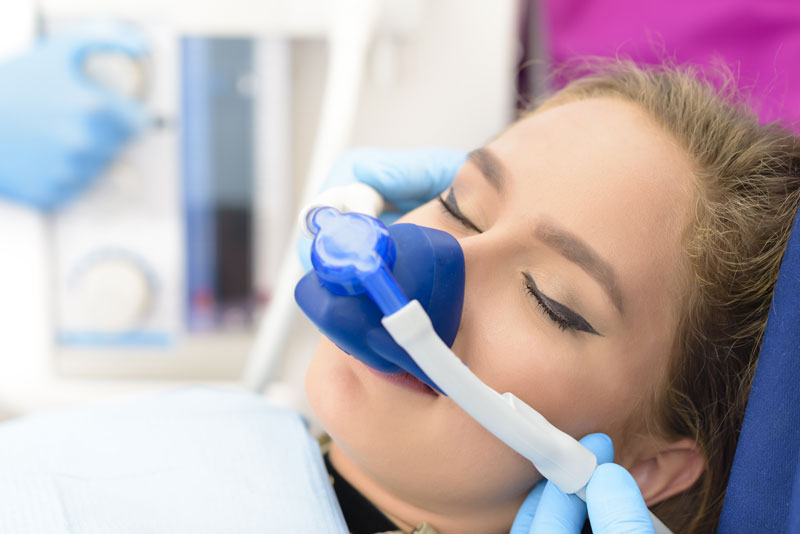
Modern dental sedation and anesthesia reduce or eliminate pain and discomfort sensations in a safe, controlled way. Your dentist selects the right sedation level for you based on your individual needs, including any health conditions, the length of the procedure, and your personal comfort preferences.
The Types of Dental Sedation Used for Implants
- Local anesthesia: numbs the surgical site so you feel pressure but not pain, while remaining fully awake and alert throughout the procedure.
- Oral or IV sedation: produces mild to deep relaxation, administered as a pill, liquid, or through an IV line, and is common for single implants or moderately complex cases.
- General anesthesia: used for longer, more involved procedures such as full arch implant placement, producing complete unconsciousness and relaxation through a face mask or IV.
Anesthesia is considered quite safe for the vast majority of patients, though as with any medical procedure, mild side effects such as nausea, headache, or dry mouth are possible. Choosing a dental team with years of clinical experience administering and monitoring these medications, and one that offers a full range of sedation options, gives you a more comfortable, predictable experience from start to finish.
How Your Dentist Decides Which Sedation Level Fits Your Case
A few factors typically determine which sedation option makes the most sense for an implant procedure: how many implants are being placed in a single visit, whether bone grafting is part of the plan, your level of dental anxiety, and any medical conditions that could affect how you respond to sedative medication. This conversation happens during your consultation, well before treatment day, so there are no surprises when you arrive for surgery.
According to Cleveland Clinic, sedation dentistry commonly involves nitrous oxide, oral sedation, or IV sedation, and is frequently used for lengthy procedures or for patients managing dental anxiety. A single implant placed under local anesthesia may require little more than the numbing itself, while a full arch case with several implants placed at once is far more likely to call for IV sedation or general anesthesia.
What Recovery Looks Like After Sedation
Recovery time depends on the sedation level used. Local anesthesia wears off within a few hours with no lingering grogginess, while oral sedation, IV sedation, and general anesthesia all require a responsible adult to drive you home and stay with you for the remainder of the day. Most people feel back to normal within twenty four hours, though grogginess, mild nausea, or a dry mouth can linger briefly as the medication clears your system.
Don’t Be Anxious About Getting Dental Implants
Dental implants do not need to be a painful or stressful procedure. Dr. Edwin Porter and our team walk through every sedation option available to you at your consultation, so you know exactly what to expect before treatment day arrives.
If dental anxiety or concerns about discomfort have kept you from replacing missing teeth, schedule your consultation with our office near Charlotte, NC today.
Frequently Asked Questions About Sedation for Dental Implants
Will I be awake during my dental implant procedure?
It depends on the sedation level chosen. Local anesthesia keeps you fully awake and alert, while oral or IV sedation produces relaxation ranging from mild drowsiness to a light sleep. General anesthesia results in complete unconsciousness and is typically reserved for longer, more complex cases.
Is sedation safe for older adults or people with health conditions?
Sedation is generally safe when your dentist reviews your full medical history beforehand and selects an appropriate level and dosage. Certain health conditions may call for a lighter sedation option or coordination with your physician, which is discussed during your consultation.
Do I need someone to drive me home after sedation for implants?
Yes, if you receive oral sedation, IV sedation, or general anesthesia, you will need a responsible adult to drive you home and stay with you afterward. Local anesthesia alone does not require this, since it does not affect alertness.
How much does sedation add to the cost of dental implants?
Sedation cost varies based on the type used and the length of the procedure, and it is typically itemized separately from the implant procedure itself. Your treatment estimate at your consultation includes sedation costs so there are no surprises on treatment day.
Will I feel pain once the sedation wears off?
Some soreness and mild swelling are common in the days following implant surgery, and this is typically managed with over-the-counter or prescribed pain medication. Most people describe the discomfort as manageable and similar to recovering from a tooth extraction.
About the Author
Dr. Edwin Porter, DDS, DICOI, FAGD
Founder, Charlotte Dental Arts
Dr. Edwin Porter offers a full range of sedation options for implant patients at Charlotte Dental Arts, from local anesthesia through IV sedation, tailored to each patient’s anxiety level and treatment plan. He is a Fellow of the Academy of General Dentistry.