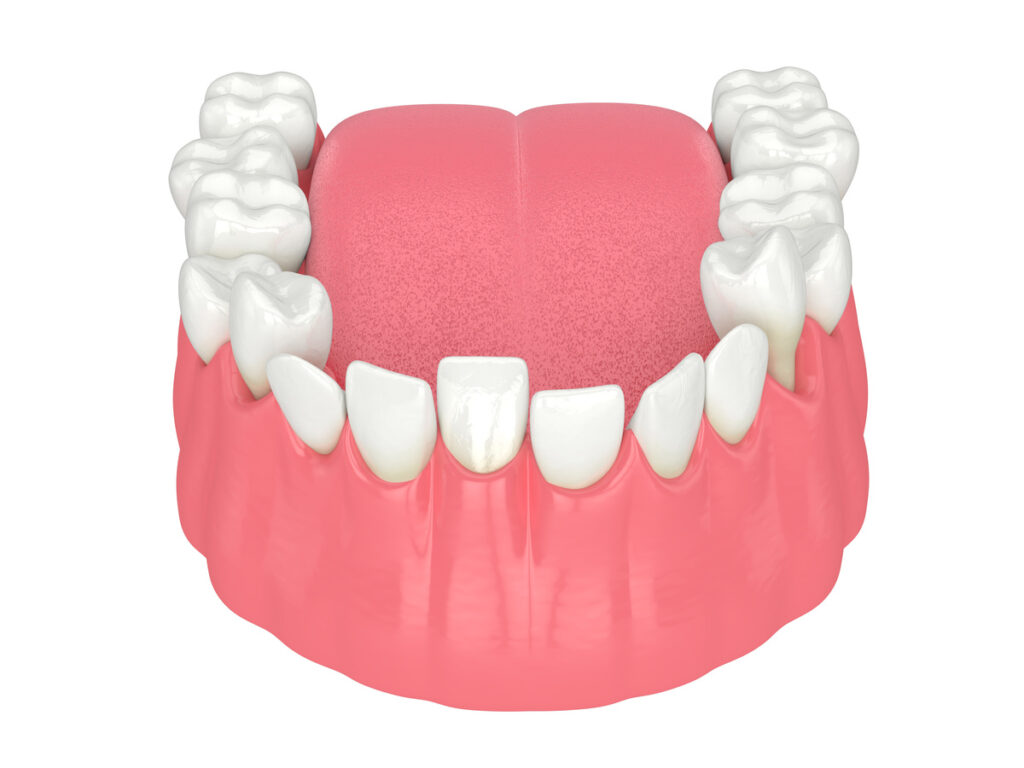



Many people view crooked or misaligned teeth purely as a cosmetic concern, focusing on the aesthetic impact rather than understanding the significant functional and health implications. While a beautiful smile certainly boosts confidence and social interactions, the benefits of properly aligned teeth extend far beyond appearance to encompass improved oral function, better overall health, and enhanced quality of life. Misaligned teeth can contribute to a cascade of problems including difficulty chewing, increased risk of tooth decay and gum disease, jaw discomfort, and even digestive issues stemming from inadequate food breakdown.
At Charlotte Dental Arts, we understand the comprehensive impact that tooth alignment has on your overall wellbeing and offer advanced Invisalign treatment, along with a full range of orthodontic treatment options, to address both functional and aesthetic concerns. Dr. Edwin Porter’s extensive training in clear aligner therapy through Galler Advanced Training, combined with his recognition as one of the top Invisalign providers in Charlotte, ensures that patients receive care focused on achieving optimal oral health and function. Our approach emphasizes the important connection between proper tooth alignment and long-term oral health outcomes.
Improved Oral Function and Chewing Efficiency
Properly aligned teeth work together as an efficient system designed to break down food effectively during the initial stages of digestion. When teeth are crooked, crowded, or improperly positioned, this natural process becomes compromised, forcing certain teeth to bear excessive pressure while others may not contact properly during chewing. This uneven distribution of forces can lead to premature wear on some teeth, an increased risk of fractures, and inadequate food breakdown that places additional strain on your digestive system.
The American Association of Orthodontics notes that a bad bite called a “malocclusion” happens when teeth meet improperly or don’t meet at all, creating functional challenges that extend beyond simple aesthetics. Correcting these alignment issues allows your teeth to function as intended, improving your ability to bite and chew efficiently while reducing stress on individual teeth. This enhanced functionality not only makes eating more comfortable but also supports better nutrition, since food that is chewed thoroughly is generally easier for your digestive system to process and absorb.
Enhanced Oral Hygiene and Disease Prevention
Crooked or crowded teeth create numerous hard-to-reach areas where plaque and bacteria can accumulate, making thorough cleaning extremely difficult despite diligent brushing and flossing efforts. These hidden spaces become breeding grounds for harmful bacteria that contribute to tooth decay and gum disease, problems that can progress silently until significant damage has occurred. Even patients with excellent oral hygiene habits may struggle to maintain optimal cleanliness when dealing with severely misaligned teeth.
Straightening your teeth eliminates these problematic areas and creates smooth, accessible surfaces that respond well to regular brushing and flossing. The improved accessibility allows for more effective plaque removal, which can help reduce your risk of developing cavities and periodontal disease. Additionally, properly aligned teeth tend to distribute biting forces more evenly, which may lower the likelihood of individual teeth becoming loose or developing mobility issues associated with advanced gum disease.
Protecting Your Smile From Excessive Wear and Teeth Grinding
When teeth do not meet evenly, certain teeth end up absorbing far more of the force of every bite than they were designed to handle. Over time, this uneven load can wear down enamel, create small chips or cracks, and leave teeth more sensitive to hot and cold temperatures. Because this type of damage develops gradually, many patients do not notice it until a tooth fractures or a filling fails.
Misalignment is also one of several factors that can be associated with bruxism, or the habit of clenching and grinding teeth, often during sleep. According to the National Institute of Dental and Craniofacial Research, bruxism can wear down tooth surfaces and contribute to jaw soreness over time, though it can stem from a combination of factors, not misalignment alone. Bringing your bite into better balance through orthodontic treatment can help your teeth share biting forces more evenly, which supports a more durable, resilient smile for the long term.
Jaw Function and TMJ Health
Misaligned teeth can contribute to improper jaw positioning and muscle strain as your body attempts to compensate for the poor fit between upper and lower teeth. For some patients, this compensation is associated with temporomandibular joint (TMJ) discomfort, including jaw soreness, clicking or popping sounds, limited mouth opening, and headaches. The muscle tension involved in accommodating misaligned teeth can create a cycle of discomfort that affects daily activities like eating, speaking, and sleeping.
Correcting tooth alignment helps establish a more balanced bite and can ease unnecessary strain on the muscles and joints surrounding your jaw. When teeth fit together more precisely, your jaw is often able to function with less effort, and many patients report a noticeable reduction in jaw-related discomfort following treatment. If you are dealing with ongoing jaw pain, our overview of TMJ disorder and treatment options covers the condition in more depth.
Speech Clarity and Confidence
The position of your teeth plays a role in speech production, as your tongue relies on properly positioned teeth to create the precise sounds necessary for clear communication. Misaligned teeth, particularly those affecting the front of your mouth, can interfere with pronunciation of certain letters and sounds, potentially leading to difficulty being understood. These communication challenges can affect professional relationships, social interactions, and overall self-confidence.
Orthodontic treatment addresses these functional speech issues by positioning teeth in locations that better support proper tongue placement and airflow. The improvements in speech clarity that can result from corrected alignment often enhance:
- Professional communication and presentation abilities
- Social confidence in group conversations and public speaking
- Reduced frustration with pronunciation difficulties
- Enhanced self-esteem in both personal and professional settings
- Improved overall quality of social interactions and relationships
As your teeth move into their correct positions, many patients notice gradual improvements in speech clarity that continue to develop throughout treatment and beyond.
Facial Symmetry and Aesthetic Confidence
Tooth alignment does more than affect how your smile looks up close. Because your teeth help support the structure of your lower face, significant misalignment can influence how balanced your jawline and profile appear. Patients with a pronounced overbite, underbite, or crossbite sometimes notice this affects their facial proportions, not just the visibility of their teeth when they smile.
As your bite comes into better balance through treatment, many patients notice a more harmonious, symmetrical appearance along with the confidence that comes from a straighter smile. For patients whose primary concerns are cosmetic, such as minor gaps, chips, or discoloration rather than functional bite issues, porcelain veneers can be a complementary or alternative way to achieve a more even, polished smile.
Long-Term Health Benefits
The health benefits of properly aligned teeth extend beyond your mouth, as research continues to explore connections between oral health and overall systemic health. Poor oral hygiene resulting from difficult-to-clean misaligned teeth has been associated with a higher risk of certain cardiovascular and metabolic health concerns. By improving your ability to maintain excellent oral hygiene through better tooth alignment, you are also supporting your broader health and wellbeing.
The improved chewing efficiency that comes with properly aligned teeth can also support better nutrition by making it easier to comfortably eat a wider variety of healthy foods. Some patients with significant misalignment unconsciously avoid nutritious foods, like fresh fruit and raw vegetables, because they are difficult to chew effectively. Correcting these alignment issues can open up dietary options that support your health throughout your life. Clear aligner options, such as those covered in our guide to how clear aligners correct your smile, make this kind of correction more comfortable and discreet than ever.
Transform Your Health Through Proper Alignment
Dr. Edwin Porter’s experience in clear aligner therapy and comprehensive treatment planning ensures that your orthodontic care focuses on both functional improvements and aesthetic enhancement. With over 20 years of experience in cosmetic and restorative dentistry, combined with advanced training from institutions including the Pankey Institute and Spear Education, Dr. Porter understands the relationship between tooth alignment and overall oral health. His commitment to continuing education keeps him informed on current orthodontic techniques and technologies.
Do not let misaligned teeth compromise your oral health, function, or quality of life any longer. The benefits of properly aligned teeth extend beyond appearance to include improved oral hygiene, more balanced jaw function, clearer speech, and better overall health habits that can serve you throughout your lifetime. Schedule your consultation online today to discover how correcting your tooth alignment can support both your smile and your health.
Frequently Asked Questions About Correcting Misaligned Teeth
Can misaligned teeth actually affect my overall health, not just my smile?
Yes. Misaligned teeth can make chewing and cleaning more difficult, which may raise your risk of cavities, gum disease, and jaw discomfort over time. Some research also points to connections between untreated oral health issues and broader health concerns. Correcting your alignment can support better function and hygiene, which in turn supports your overall wellbeing.
Why do crooked teeth increase the risk of cavities and gum disease?
Crowded or overlapping teeth create tight spaces that a toothbrush and floss cannot fully reach, even with a careful routine. Plaque and food particles can build up in these hidden areas, which over time increases the risk of decay and gum inflammation. Straightening your teeth opens up these spaces so brushing and flossing can be more effective.
Can straightening my teeth help with jaw pain or teeth grinding?
Many patients notice improved jaw comfort once their bite is more balanced, since their jaw muscles no longer have to compensate for uneven contact between the upper and lower teeth. Bruxism and jaw discomfort can have multiple causes, so results vary from patient to patient. A dental evaluation can help determine whether alignment is a contributing factor for you.
Will fixing my bite change the shape or symmetry of my face?
For patients with a noticeable overbite, underbite, or crossbite, correcting the alignment can improve how balanced the jawline and profile appear, since teeth help support the structure of the lower face. The degree of change depends on the type and severity of the misalignment. Many patients also notice a more even smile once treatment is complete.
How long does Invisalign treatment typically take to correct misalignment?
Treatment time varies based on the complexity of your case, but many patients complete Invisalign treatment within several months to about a year. Mild cases may resolve more quickly, while more significant misalignment can take longer. During your consultation, we can review your specific situation and provide a more personalized estimate.