


Medically Reviewed by Dr. Edwin Porter, DDS, DICOI, FAGD on August 19, 2026
You are likely a candidate for implant-supported dentures if you are missing most or all of the teeth in an arch, have enough jawbone density to support dental implants, and are in good enough general health to heal after a minor surgical procedure. Traditional denture wearers who are tired of slipping, clicking, or loose-fitting plates are also frequently good candidates, since implant-supported dentures anchor to the jawbone rather than resting on the gums alone.
At Charlotte Dental Arts, we evaluate candidacy through a combination of a clinical exam, imaging, and a conversation about your goals for chewing, speaking, and smiling with confidence. Our full and partial dentures services include several implant-supported options, so if a traditional denture has never felt quite right, there may be a more stable path forward. Below, we walk through the candidacy factors, the differences from traditional dentures, and the main types of implant-supported dentures available today.
What Makes You a Good Candidate for Implant-Supported Dentures
Candidacy for implant-supported dentures comes down to a few core factors that your dentist can confirm during a consultation and imaging review.
Sufficient Jawbone Density and Volume
Dental implants rely on healthy bone to fuse to during a process called osseointegration. If you have worn traditional dentures for many years, the jawbone underneath may have gradually resorbed, since it no longer receives the stimulation that natural tooth roots once provided. A dentist can measure remaining bone height and width using imaging, and in cases where bone volume has diminished, a bone graft can potentially rebuild the foundation needed to support implants.
Good Oral and General Health
Healthy gums, free of active infection or untreated gum disease, help support successful implant placement and healing. Overall health matters too. Chronic conditions such as diabetes are generally manageable candidacy factors as long as they are well controlled, and heavy smoking can slow healing and may reduce long-term implant success, so your dentist may discuss a cessation plan as part of treatment planning.
Realistic Expectations for Treatment
Implant-supported dentures can significantly improve stability, chewing function, and confidence compared to traditional dentures, but the process involves healing time between implant placement and final denture attachment. Understanding the timeline and what results are realistically achievable helps set the stage for a smoother experience.
How Implant-Supported Dentures Differ From Traditional Dentures
Traditional dentures rest on the gum ridge and rely on suction, adhesive, or the shape of the mouth to stay in place. Over time, as the jawbone continues to change shape, traditional dentures often become loose, requiring adjustments or relines.
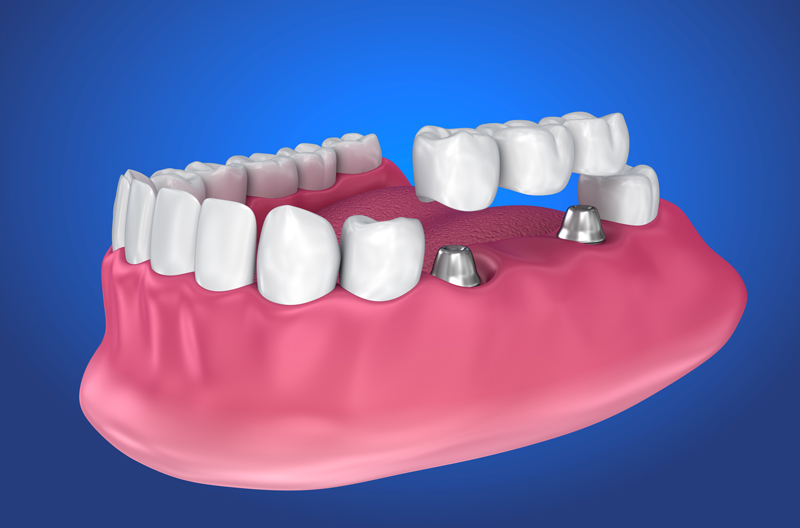
Implant-supported dentures instead attach to two or more dental implants that have been placed directly in the jawbone. Because the denture is anchored to the bone rather than resting on it, patients typically experience a more secure fit, improved ability to bite into and chew a wider range of foods, and clearer speech since the denture is far less likely to shift while talking. The implants can also help preserve jawbone volume over time, since they provide a degree of stimulation similar to natural tooth roots.
Types of Implant-Supported Dentures
Not every implant-supported denture works the same way. The right type for you depends on how many implants are placed, how much bone is available, and whether you prefer a removable or fixed solution.
Snap-In (Removable) Overdentures
Snap-in overdentures attach to two or more implants using ball or locator attachments. The denture clips securely into place for daily wear but can still be removed by the patient for cleaning, which many people appreciate for maintaining oral hygiene.
Bar-Retained Overdentures
With this option, a thin metal bar is attached to several implants, and the denture clips onto the bar using built-in clasps. Bar-retained overdentures generally require a few more implants than a snap-in design, but they can offer additional stability and a closer fit along the gumline.
Fixed, All-on-4 Style Implant Dentures
For patients seeking a non-removable solution, a full arch of replacement teeth can be permanently secured to as few as four strategically placed implants. This approach is designed to function and feel closer to natural teeth, since the denture does not come out for cleaning and is cared for much like natural teeth would be, with regular brushing and professional cleanings.
Factors That May Affect Your Candidacy
A few additional considerations often come up during a candidacy evaluation, including the following.
- Bone loss from long-term denture wear: Extended time without tooth roots stimulating the jawbone can lead to resorption, which a bone graft may be able to address.
- Gum disease history: Active gum disease generally needs to be treated and stabilized before implant placement can move forward.
- Chronic health conditions: Conditions like diabetes are usually compatible with implant treatment when well managed, though your dentist and physician may coordinate on timing.
- Smoking and tobacco use: Tobacco use can affect healing, and your dentist may discuss ways to support a successful outcome.
- Number of missing teeth: Whether you are missing a few teeth or an entire arch changes which type of implant-supported denture may be the best fit.
None of these factors automatically rule out candidacy on their own. They are simply part of the evaluation your dentist uses to plan the safest, most effective treatment for your situation. According to MedlinePlus, a service of the U.S. National Library of Medicine, dentures (including implant-supported options) may need periodic adjustment as the mouth changes over time, which is one reason ongoing follow-up care matters after treatment.
What to Expect at Your Candidacy Consultation
A candidacy consultation typically starts with a review of your dental and medical history, followed by a clinical exam and imaging to evaluate jawbone density and volume in the areas being considered for implants. From there, your dentist can walk through which type of implant-supported denture, whether removable or fixed, may align best with your goals, budget, and timeline. Questions about the number of implants needed, whether a bone graft may be recommended, and what the healing process may look like are all common topics to raise during this visit. Learn more about the general evaluation process on our dental implant candidacy page.
How Charlotte Dental Arts Can Help
Charlotte Dental Arts has helped patients throughout the Charlotte, NC area move away from loose, uncomfortable traditional dentures toward implant-supported solutions built around their specific jawbone structure and lifestyle needs. Our team uses digital imaging to evaluate bone density and plan implant placement with precision, which helps identify whether a bone graft, a different implant count, or a particular denture style may be the better route for your situation.
Whether you currently wear a traditional denture that no longer fits comfortably, or you are exploring tooth replacement for the first time after losing several teeth, we can walk you through how the process compares across dental implants, dentures, and bridges so you can make an informed decision. New to our practice? Our new patient resources outline what to expect at your first visit.
If you are unsure whether you are a good candidate for implant-supported dentures, the most reliable way to find out is through an in-person evaluation. A short consultation can clarify your jawbone density, review your health history, and outline realistic options tailored to your smile.
Ready to find out if implant-supported dentures are right for you? Our doctors, Dr. Edwin Porter, DDS, DICOI, FAGD, and the rest of the Charlotte Dental Arts team are ready to answer your questions and help you take the next step toward a more secure, comfortable smile. Schedule your consultation today.
Frequently Asked Questions About Implant-Supported Dentures
Who is a good candidate for implant-supported dentures?
Good candidates are generally missing most or all of the teeth in an arch, have enough jawbone density to support implants, and are healthy enough to heal after a minor surgical procedure. Traditional denture wearers who struggle with slipping or discomfort are also frequently strong candidates. A dental exam and imaging are the most reliable ways to confirm candidacy for your specific situation.
What if I do not have enough jawbone density for implants?
Insufficient jawbone density does not automatically rule out candidacy. A bone graft can potentially rebuild volume in the jaw over time, creating a more stable foundation for future implant placement. Your dentist can review imaging with you and explain whether a graft may be recommended before moving forward with implant-supported dentures.
How are implant-supported dentures different from traditional dentures?
Traditional dentures rest on the gums and rely on suction or adhesive to stay in place, while implant-supported dentures attach to implants anchored in the jawbone. This generally provides a more secure fit, improved chewing ability, and can help reduce the ongoing bone loss associated with long-term denture wear.
What types of implant-supported dentures are available?
Common options include snap-in overdentures that clip onto implants and can be removed for cleaning, bar-retained overdentures that attach to a connecting bar for added stability, and fixed, all-on-4 style dentures that are permanently secured to a small number of implants. The right choice depends on bone volume, implant count, and personal preference for a removable or fixed solution.
Can medical conditions like diabetes affect candidacy?
Chronic conditions such as diabetes are often compatible with implant treatment when they are well managed, though your dentist may want to coordinate timing with your physician. Every patient’s health history is different, which is why a full evaluation during a consultation is an important step before finalizing a treatment plan.
What happens during a candidacy consultation?
A candidacy consultation typically includes a review of your dental and medical history, a clinical exam, and imaging to evaluate jawbone density in the areas being considered for implants. From there, your dentist can outline which implant-supported denture options may fit your goals, timeline, and budget before any treatment begins.