

Medically Reviewed by Dr. Edwin Porter, DDS, DICOI, FAGD on August 17, 2026
Dental anxiety keeps millions of people from getting care they need, and sedation dentistry is one of the most effective ways to close that gap. Rather than pushing through fear or avoiding the dentist altogether, patients who struggle with anxiety can choose a level of sedation that keeps them relaxed and comfortable from the first minute of the appointment to the last.
At Charlotte Dental Arts, Dr. Edwin Porter, DDS, DICOI, FAGD offers several sedation options so that anxious patients, those with a strong gag reflex, and anyone facing extensive treatment can get dental care without unnecessary stress. Understanding how each option works makes it easier to decide which one fits your situation.
Understanding Dental Anxiety and Why It Matters
Dental anxiety ranges from mild nervousness to a level of fear that keeps someone from scheduling an appointment at all. It can stem from a difficult past experience, fear of pain, concerns about losing control in the chair, or discomfort talking about the condition of your teeth. Whatever the source, postponing care rarely makes the underlying problem smaller. Small issues left unaddressed tend to grow into more involved treatment later.
Common signs of dental anxiety include difficulty sleeping the night before an appointment, a racing heart or sweating in the waiting room, and a strong urge to cancel or reschedule. If any of that sounds familiar, sedation dentistry was designed for exactly this situation.
How Sedation Dentistry Works
Sedation dentistry uses medication to help you relax during a procedure. Contrary to what the term “sleep dentistry” implies, most sedation options do not put you fully to sleep. You remain conscious and able to breathe and respond on your own, just in a much calmer state than you would be otherwise. The American Dental Association’s guidelines for sedation and anesthesia use in dental practice define this spectrum precisely, from minimal sedation that leaves you fully alert to deeper levels reserved for more complex cases.
The goal at every level is the same: a safe, comfortable visit where anxiety is not the thing standing between you and the care you need. Many patients say the appointment felt like it lasted a fraction of the actual time.
Levels of Sedation Available at Charlotte Dental Arts
We offer a range of sedation options so the level of relaxation matches the level of anxiety or the complexity of the procedure.
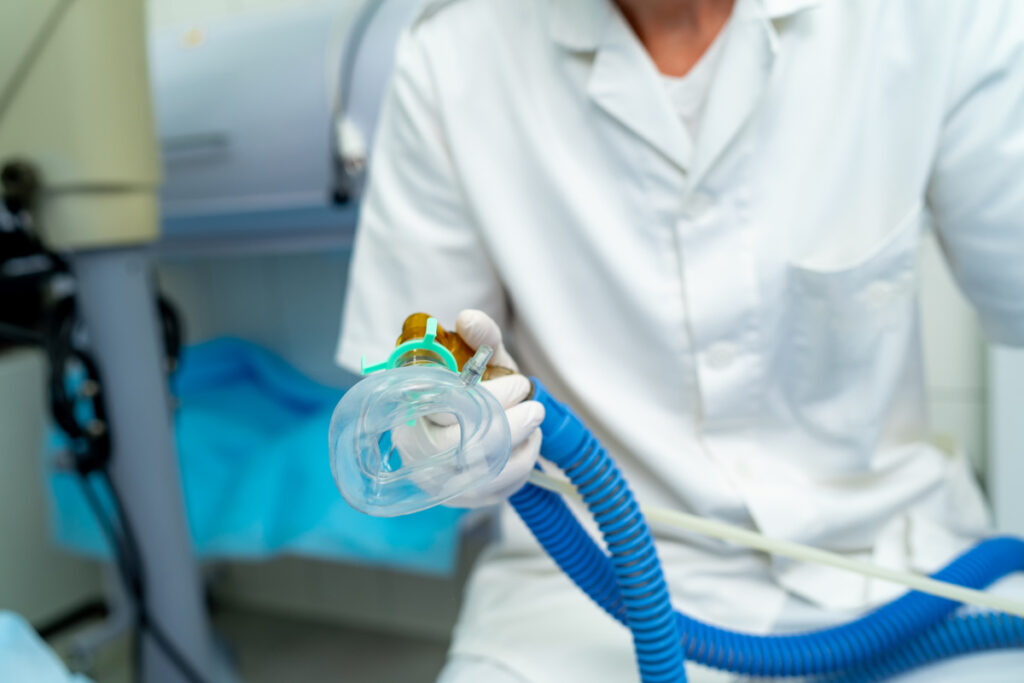
Nitrous oxide, commonly called laughing gas, is inhaled through a small mask and takes effect within minutes. It wears off quickly once the mask is removed, which is why it is the only sedation option after which most patients can drive themselves home. We can adjust the dose in real time during your visit, and it works well for patients of most ages.
Oral conscious sedation uses a prescribed medication taken before your appointment to produce a deeper state of relaxation. You stay conscious and can respond to instructions, but many patients remember very little of the visit afterward. Because the effects take time to wear off, you will need someone to drive you home. Our family-friendly sedation options often start here for patients who feel uneasy about needles.
IV sedation is administered directly into the bloodstream and offers the deepest level of relaxation we provide in-office, typically reserved for more extensive treatment or more severe anxiety. Our team monitors your vital signs throughout the procedure. If you are weighing whether this option is appropriate for you or a family member, our post on IV sedation safety walks through what the monitoring and recovery process looks like in more detail.
Who Benefits From Sedation Dentistry
Sedation is not only for patients with severe phobia. It also helps people who have a sensitive gag reflex, difficulty sitting still for a long appointment, trouble getting numb with local anesthetic alone, or a history of postponing care out of embarrassment. Combining procedures into fewer, longer visits under sedation can also reduce the total number of trips to the office, which itself lowers stress for many patients.
- Moderate to severe dental anxiety or a documented phobia
- A sensitive gag reflex that makes routine work difficult
- Extensive treatment that would otherwise require multiple visits
- Difficulty achieving numbness with local anesthesia alone
Whatever the reason, the first conversation is always about matching the right level of sedation to your specific needs, not defaulting to the deepest option available.
Safety Standards for Sedation Dentistry
Sedation is administered following the same guidelines the American Dental Association sets for dentists nationwide, which govern training requirements, monitoring equipment, and patient selection criteria at every sedation level. Before recommending any option, we review your full medical history, current medications, and any conditions that could affect how you respond to sedation. During the procedure, we continuously monitor heart rate, blood pressure, and oxygen levels.
Sedation is not appropriate for every patient or every medical history, which is exactly why that review happens before treatment is planned rather than on the day of the appointment. If you have questions about what our team screens for, we are glad to walk through it during your consultation.
What to Expect Before, During, and After Your Appointment
Before your visit, we will confirm arrangements for a ride home if your sedation option requires one, and give you clear instructions about eating or drinking beforehand. During the appointment, you can expect a calm, quiet environment and a team that checks in with you regularly. Afterward, recovery time depends on the sedation level used. Nitrous oxide clears almost immediately, while oral and IV sedation can leave you drowsy for several hours, so planning a low-key rest of the day is a good idea.
Our post on what to expect during a sedated dental procedure covers the day-of logistics in more detail if you want to plan ahead. Patients who have been anxious for years often tell us the hardest part was making the first appointment, not the sedation itself.
Taking the First Step
If dental anxiety has kept you from maintaining your oral health, sedation dentistry at Charlotte Dental Arts may be the solution you have been waiting for. Dr. Edwin Porter has completed advanced training in sedation dentistry, and our team has helped countless patients move past their fear and get the care they need in comfort. We also work with out-of-network patients so cost is not an added barrier on top of anxiety.
Don’t let dental anxiety compromise your health and confidence any longer. Contact our office to schedule a consultation and find out which sedation option is the right fit for you.
Frequently Asked Questions About Sedation Dentistry
Will I be unconscious during sedation dentistry?
Most sedation options used in dentistry keep you conscious rather than fully asleep. Nitrous oxide and oral conscious sedation allow you to breathe on your own and respond to instructions, though oral sedation often creates little to no memory of the visit. IV sedation produces a deeper state of relaxation but is still distinct from general anesthesia.
How do I know which type of sedation is right for me?
The right level of sedation depends on your degree of anxiety, your medical history, and the complexity of the planned treatment. A consultation with a dentist trained in sedation allows for a review of your health background and a recommendation matched to your specific situation rather than a one-size-fits-all approach.
Can I drive myself home after a sedation dentistry appointment?
Nitrous oxide is the only sedation option that typically clears quickly enough for most patients to drive themselves home. Oral conscious sedation and IV sedation both require a ride home, since the effects can linger for several hours after the appointment ends.
Is sedation dentistry safe?
Sedation dentistry is considered safe for most patients when administered by a trained provider following recognized dental association guidelines for patient screening, dosing, and monitoring. A thorough review of medical history and current medications before treatment helps identify the small number of patients for whom a particular sedation level is not appropriate.
Does sedation dentistry cost extra?
Sedation is typically an added fee on top of the procedure itself, and the amount varies by the level of sedation used and the length of the appointment. Some dental insurance plans provide partial coverage when sedation is medically necessary. Our team can review anticipated costs and financing options during your consultation.
About the Author
Dr. Edwin Porter, DDS, DICOI, FAGD
Dr. Edwin Porter is the founder of Charlotte Dental Arts and has been recognized as a Top Dentist by Charlotte Magazine for more than 20 consecutive years. A Diplomate of the International Congress of Oral Implantologists (DICOI) and Fellow of the Academy of General Dentistry (FAGD), Dr. Porter has completed advanced training in sedation dentistry and has helped thousands of patients receive care comfortably. He trained at Georgia Regents University and brings that clinical foundation to every patient at Charlotte Dental Arts.