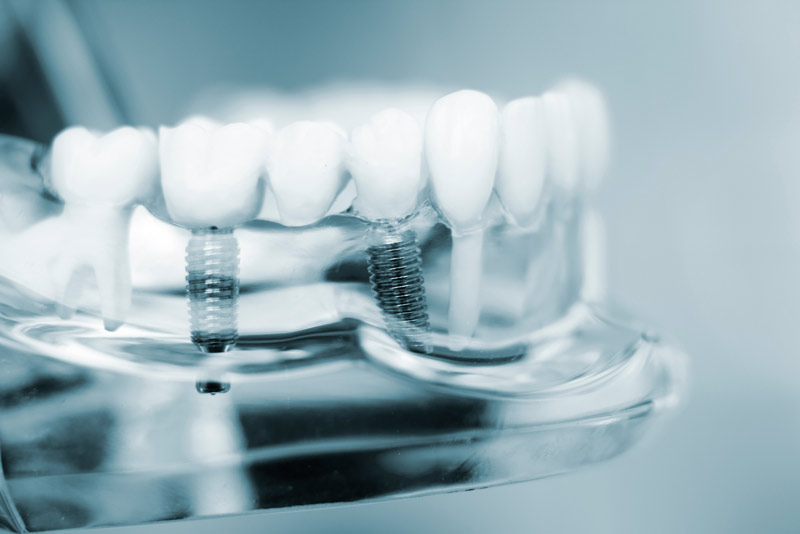



A typical multiple dental implant procedure moves through four general stages: a consultation and treatment planning appointment, the surgical placement of the implant posts, a healing period while the posts fuse with the jawbone, and the placement of your final restoration. Every treatment plan looks a little different depending on how many teeth are being replaced and the condition of your jawbone, but these four stages form the framework that nearly every multiple implant patient goes through.
At Charlotte Dental Arts, we walk you through every stage of this process so you know what to expect from your first visit through your final restoration. Whether you need dental implants to replace a few teeth or a full arch, Dr. Edwin Porter builds a treatment plan around your bone structure, health history, and smile goals before any procedure begins.
What Are Multiple Dental Implants?
Multiple dental implants are titanium or ceramic posts that a dentist surgically places in the jawbone to act as artificial tooth roots for two or more missing teeth. Once each post fuses with the bone, it can support an individual crown, a bridge that spans several teeth, or, for patients missing most or all of their teeth, a full arch dental implants restoration that replaces an entire row of teeth with as few as four to six posts. The number and placement of the implants depends on how many teeth are missing, the strength of your remaining jawbone, and whether the implants will support fixed restorations or a removable overdenture.
Who Is a Candidate for Multiple Dental Implants?
Most adults who have missing teeth and enough healthy jawbone to support an implant post are reasonable candidates for treatment. Candidates typically have healthy gum tissue, manage any chronic health conditions such as diabetes with their physician, and do not smoke, since smoking can slow healing and interfere with how well an implant fuses to the bone. If your jawbone has thinned after tooth loss, bone grafting can often rebuild enough structure to support an implant, so a thinner jawbone does not automatically rule out treatment. To find out whether your candidacy for dental implants allows for multiple posts in one treatment plan, we start with a full evaluation of your bone density, bite, and oral health.
Your Consultation and Treatment Planning Appointment
Before any surgery is scheduled, you will have a personalized consultation where we discuss your treatment goals, review your health history, and capture digital images of your teeth and jawbone. This digital implant planning process allows us to map the exact position, angle, and depth of every implant post before you are ever in the treatment chair, which reduces surprises on surgery day and helps every post integrate the way it is designed to. Depending on your goals, your plan may call for multiple single dental implants placed in separate locations, or a full arch of implants designed to support one continuous prosthesis.
What Happens During the Multiple Dental Implant Procedure?
On the day of your surgery, we numb the treatment area and offer dental sedation for patients who want a calmer, more comfortable experience. Many patients wonder whether the procedure will hurt, and the honest answer is that local anesthesia and sedation keep you comfortable throughout placement, with any soreness afterward typically manageable with over-the-counter or prescribed medication. Once you are numb, we create a small opening in the gum tissue, prepare the jawbone, and place each implant post at its planned position and depth. After the posts are placed, we can often attach a temporary prosthesis the same day, so you do not have to leave with a visible gap in your smile while healing takes place.
Healing and Osseointegration Timeline
After placement, your jawbone needs time to fuse to each implant post through a process called osseointegration. This typically takes anywhere from three to six months, though the exact timeline depends on your bone density, overall health, and how many implants were placed. A 2025 multicenter study published in the International Journal of Dentistry that followed more than 650 implants over nearly four years reported a survival rate above 99 percent, with outcomes remaining strong even in patients managing conditions like controlled diabetes and a prior history of gum disease under a structured maintenance schedule. During healing, we ask you to avoid putting excess pressure on the temporary restoration and to keep up with your oral hygiene routine so the surrounding gum tissue stays healthy while the bone heals.
Placing Your Abutment and Final Restoration
Once your implants have fully fused with the jawbone, we attach a small connector piece called an abutment to each post. Your custom-made crowns, bridge, or full arch restoration is then designed to match the color, shape, and size of your natural smile before it is precisely bonded or secured into place. This final step typically takes place in one appointment and gives you a restoration built to function like your natural teeth for daily activities like chewing and speaking.
Benefits of Replacing Multiple Missing Teeth With Dental Implants
Multiple dental implants restore more than the way your smile looks. Because each implant replaces the tooth root as well as the visible tooth, they help preserve the jawbone that would otherwise shrink after tooth loss and support the facial structure around your mouth. Patients who choose implants over other tooth replacement options often notice the following advantages:
- Improved chewing ability across a wider range of foods compared to removable dentures.
- Clearer speech since implants stay fixed in place rather than shifting while you talk.
- Jawbone preservation that helps maintain your natural facial shape over time.
- Long-term durability when implants are cared for with regular hygiene and dental visits.
Because implants do not rely on neighboring teeth for support the way a traditional bridge does, they can also help you avoid altering healthy teeth elsewhere in your mouth.
Understanding the Cost of Multiple Dental Implants
The cost of multiple dental implants depends on how many teeth you are replacing, whether bone grafting is needed, and whether your treatment plan calls for individual implants or a full arch restoration. Because every treatment plan is different, we review dental implant cost details during your consultation, including financing options and how your dental insurance may apply to part of your treatment.
Frequently Asked Questions About Multiple Dental Implants
How long does the entire multiple dental implant process take?
Most multiple dental implant treatment plans take between four and nine months from your initial consultation to your final restoration. Placement itself is usually completed in one or two appointments, but the jawbone needs three to six months to fuse fully around each implant post before we attach your permanent crowns, bridge, or full arch restoration. Patients who need bone grafting beforehand may need a few additional months for that graft to heal before implant placement can begin.
Will getting multiple dental implants at once hurt?
You should not feel pain during the surgery itself, since we numb the treatment area with local anesthesia and offer sedation for patients who want a calmer experience. Mild soreness, swelling, or bruising in the days afterward is common and typically manageable with over-the-counter pain relievers or a prescription if needed. Most patients describe recovery after implant placement as more comfortable than they expected.
How many dental implants can be placed in a single appointment?
The number of implants placed in one visit depends on how many teeth you are replacing, your jawbone density, and your overall health. Some patients receive two to four implants to support a bridge, while others receiving a full arch restoration may have four to six implants placed in one appointment. Your treatment plan is built around your specific mouth rather than a fixed number.
What happens if I do not have enough jawbone for multiple implants?
If imaging shows that your jawbone has thinned after tooth loss, bone grafting can often rebuild enough density and volume to support an implant. Grafted bone typically needs several months to heal and integrate before implants can be placed, which adds time to the overall treatment plan but does not usually prevent you from eventually being a candidate.
Are there health conditions that could affect my candidacy for multiple dental implants?
Conditions such as uncontrolled diabetes, active gum disease, or smoking can slow healing and increase the risk of complications during osseointegration, but they do not automatically disqualify you from treatment. We review your full health history during your consultation, and many patients with well-managed chronic conditions go on to have successful outcomes with a structured aftercare and maintenance routine.
Dr. Edwin Porter has placed and restored dental implants in Charlotte, NC for more than 25 years, planning every multiple implant case in-house from the initial scan through the final restoration. That level of hands-on experience means your treatment plan is coordinated by one team rather than passed between separate offices for the surgical and restorative portions of your care.
If you are ready to talk about your own multiple dental implant procedure, our team at our office by Charlotte, NC is here to walk you through every step. Get in contact with Dr. Edwin Porter, DDS, FAGD to schedule your consultation today.