


Medically Reviewed by Dr. Edwin Porter, DDS, DICOI, FAGD on August 14, 2026
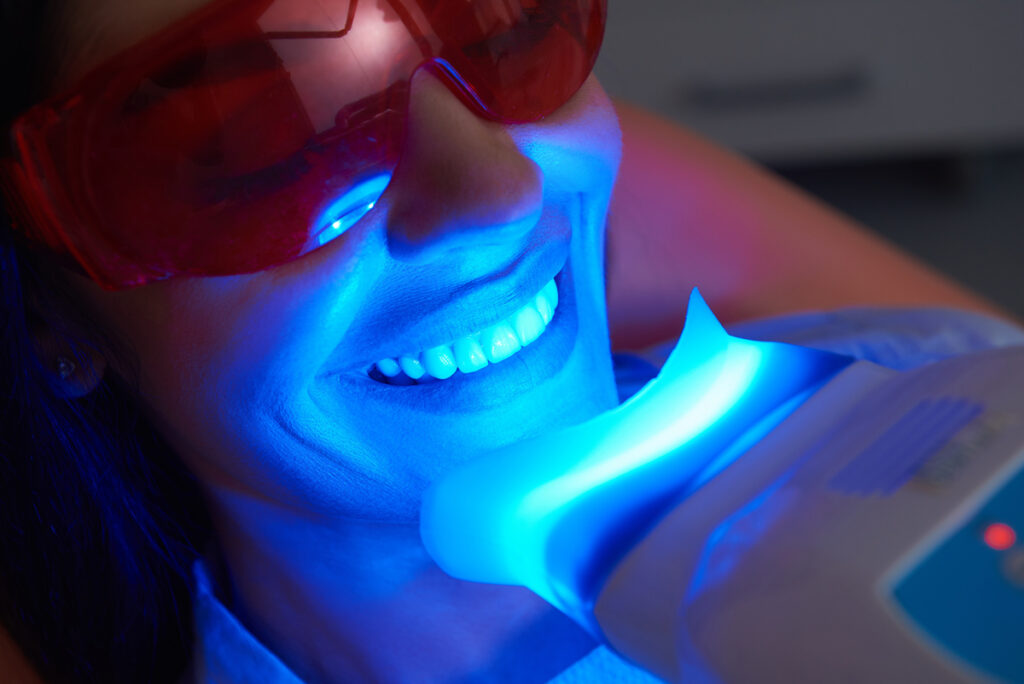
Professional teeth whitening delivers some of the most dramatic, immediate results in cosmetic dentistry. A single in-office session can brighten teeth by several shades in about an hour, results that over-the-counter strips and toothpastes simply cannot replicate. But how long those results last depends almost entirely on what you do after you leave the chair.
At Charlotte Dental Arts, teeth whitening in Charlotte, NC is performed using Opalescence Boost, a professional-grade hydrogen peroxide system that penetrates both surface-level and internal stains. Dr. Edwin Porter has earned the “Top Dentist in Charlotte” award for over 20 years and takes a comprehensive approach to cosmetic care, which means whitening patients leave not just with a brighter smile, but with a clear maintenance plan to protect it.
How Long Do Professional Whitening Results Last?
Professional whitening results typically last one to three years, though this varies significantly by patient. Heavy coffee or tea drinkers, smokers, and patients who consume red wine regularly will see results fade faster than those who limit staining exposures. The good news is that with the right habits in place, most patients can extend their results well beyond the one-year mark, and periodic touch-ups are straightforward when staining does begin to return.
Understanding What Causes Staining After Whitening
Tooth enamel is porous. Even after whitening removes existing discoloration, the surface remains susceptible to new staining from chromogens, the pigmented compounds found in coffee, tea, red wine, dark berries, tomato sauce, and other deeply colored foods and drinks. Tobacco introduces tar and nicotine that bond to enamel quickly and produce some of the most difficult stains to reverse. Certain medications, including some antibiotics, antihistamines, and blood pressure drugs, can also cause intrinsic discoloration that forms inside the tooth structure rather than on the surface.
Knowing what causes staining helps you make intentional choices rather than feeling like whitening results are entirely out of your control.
Daily Habits That Protect Your Results
Four simple habits account for most of the difference between whitening that lasts a year and whitening that lasts three.
Watch What You Drink and When
Coffee, tea, red wine, and cola are the most common culprits in whitening reversal. You do not have to eliminate them, but limiting daily exposure makes a meaningful difference. When you do consume staining beverages, use a straw to minimize contact with teeth, and rinse with water immediately after. Avoid sipping throughout the day; extended exposure is more damaging than a single sitting.
Brush Consistently With the Right Products
Brush at least twice daily, ideally with a soft-bristle electric toothbrush, which is more effective at removing surface stains than manual brushing. A whitening toothpaste with mild abrasives helps clear surface deposits before they set. Avoid highly abrasive formulas marketed for heavy stain removal; used daily, they can erode enamel over time, which causes the underlying yellow dentin to become more visible and actually makes teeth look darker.
Floss Daily
Plaque accumulation between teeth causes inter-proximal yellowing that brushing alone cannot reach. Daily flossing keeps these contact points clean and ensures your smile looks uniformly bright rather than white on the faces but discolored between teeth.
Do Not Smoke or Use Tobacco
Tobacco is one of the fastest ways to undo professional whitening. The tar and nicotine in tobacco products produce brown and yellow stains that penetrate deep into enamel and are significantly harder to remove than food-based staining. If tobacco is a regular habit, touch-up treatments will be needed far more frequently.
At-Home Maintenance Between Office Visits
Custom take-home whitening trays fabricated from precise impressions of your teeth are the most effective at-home maintenance option. Unlike over-the-counter trays, custom trays distribute whitening gel evenly across all tooth surfaces and prevent the gel from contacting and irritating gum tissue. Charlotte Dental Arts offers take-home whitening at $300, which most patients use for periodic touch-ups between in-office sessions rather than as a primary whitening method.
Over-the-counter whitening strips can provide modest maintenance benefit between professional treatments, but they use lower-strength gel and generic trays that produce uneven coverage. If you use OTC products, confirm with Dr. Porter that they are appropriate for your enamel health and any existing restorations before starting.
Professional Cleanings and Touch-Ups
Regular professional cleanings every six months remove tartar and surface stains that daily brushing cannot eliminate. These appointments also give Dr. Porter a chance to evaluate whether your whitening results are holding well or whether a touch-up would be beneficial. Most patients find that annual or semi-annual in-office touch-ups are sufficient to maintain their desired level of brightness over the long term.
If you have existing crowns, veneers, or composite bonding, it is important to note that these restorations do not respond to whitening agents the way natural tooth enamel does. Any whitening treatment should be planned around existing restorations so that your natural teeth are brought to the same shade as the restorations, or new restorations are fabricated after whitening is complete to ensure a consistent color match.
Managing Sensitivity After Whitening
Some patients experience temporary tooth sensitivity in the 24 to 48 hours following a professional whitening session. This is normal and typically resolves quickly. During this window, avoid very hot or cold foods and beverages, and switch to a sensitivity-formulated toothpaste. Opalescence Boost contains potassium nitrate and fluoride to help minimize sensitivity during and after treatment, which is one reason CDA uses this system rather than alternatives that lack these protective agents.
If sensitivity is persistent or severe, discuss this with Dr. Porter before any future whitening sessions. The frequency and concentration of whitening can be adjusted to accommodate sensitive teeth without sacrificing results.
Charlotte Dental Arts: Cosmetic Dentistry Built to Last
Whitening is the most accessible entry point into cosmetic dentistry, but it works best as part of a broader smile plan. Patients interested in longer-lasting cosmetic results often pair whitening with porcelain veneers, which are color-stable and do not stain the way natural enamel does, or with other cosmetic procedures that address shape, alignment, and structure alongside color.
Dr. Edwin Porter has been recognized as a Top Dentist in Charlotte for over 20 years. His approach to cosmetic care includes not just the procedure itself but the follow-through, making sure patients understand how to protect their investment and when to come back for maintenance. Schedule your whitening consultation at Charlotte Dental Arts today and leave with a treatment plan, realistic expectations, and a maintenance strategy tailored to your lifestyle.
Frequently Asked Questions About Maintaining Whitening Results
How soon can I eat or drink after a whitening treatment?
Most patients wait about an hour before eating or drinking anything, and it helps to avoid deeply colored foods and beverages for the first 24 to 48 hours while the enamel is most porous. Sticking to a light colored diet during this window helps lock in your new shade before your regular habits resume.
Can I whiten my teeth if I have crowns or veneers?
Whitening gel only affects natural enamel, so existing crowns, veneers, and bonding will not lighten along with the rest of your teeth. If you have visible restorations, talk with your dentist about planning treatment so your natural teeth and any restorations end up matched in color rather than mismatched.
Does professional whitening damage tooth enamel?
Professional whitening performed under a dentist’s supervision is considered safe for enamel when used as directed. Opalescence Boost includes potassium nitrate and fluoride specifically to protect enamel and reduce sensitivity during treatment, which is one reason it is used instead of higher-risk, unsupervised alternatives.
How often can I safely repeat professional whitening?
Most patients do well with an in-office touch-up once every year or two, depending on diet and habits. Take-home trays can be used more frequently for light maintenance, but any repeat whitening should be spaced out and reviewed with your dentist to avoid over-treating the enamel.
Is take-home whitening as effective as in-office treatment?
Take-home trays use a lower concentration of whitening gel than in-office treatment, so they work more gradually and are best suited for maintaining results rather than achieving dramatic first-time whitening. For the fastest, most noticeable brightening, an in-office session remains the more effective starting point.
About the Author
Dr. Edwin Porter, DDS, DICOI, FAGD
Charlotte Dental Arts
Dr. Edwin Porter has been recognized as a Top Dentist in Charlotte for over 20 years. He provides comprehensive cosmetic dentistry, including professional teeth whitening, porcelain veneers, and full smile makeovers, for patients throughout the Charlotte, NC area.